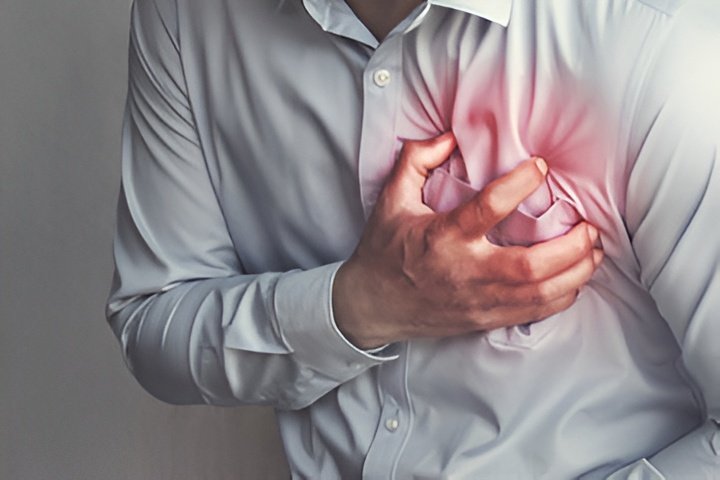
How to tell if chest pain is anxiety or heart related, learn the key symptoms, warning signs, differences, and when to seek emergency medical care. Chest pain can be frightening, especially when you are unsure whether it comes from anxiety or a heart problem. You might feel a sudden tightness in your chest during a stressful moment, notice your heart racing while sitting quietly, or experience discomfort that seems to appear out of nowhere. It is natural to wonder what is happening and whether you should be worried.
Understanding how to tell if chest pain is anxiety or heart related starts with recognizing the symptoms, their possible triggers, and the warning signs that need medical attention. Anxiety can cause genuine physical discomfort, but heart conditions can produce similar symptoms. Unfortunately, no single sensation or symptom can reliably tell you which one is responsible.
The safest approach is to treat new or unexplained chest pain seriously. If the pain is severe, feels like pressure or squeezing, lasts more than a few minutes, returns repeatedly, or occurs with shortness of breath, cold sweating, nausea, faintness, or pain spreading to the arm, jaw, back, or shoulder, seek emergency medical care immediately. Do not assume it is anxiety, even if you have experienced panic attacks before.
How to Tell If Chest Pain Is Anxiety or Heart Related
Anxiety-related chest pain often occurs alongside stress, fear, rapid breathing, trembling, or a racing heartbeat. Heart-related chest pain may feel like pressure, heaviness, squeezing, or tightness and can occur during physical activity or at rest. However, these patterns overlap, so symptoms alone cannot confirm the cause.
For example, someone experiencing anxiety might notice chest tightness before an exam or during a stressful conversation. Another person might experience similar tightness because the heart muscle is not receiving enough blood. Both situations can feel alarming, and neither should be judged by the sensation alone.
The duration, location, intensity, associated symptoms, medical history, and circumstances surrounding the pain can help a healthcare professional assess the situation. An electrocardiogram (ECG) and blood tests may be needed to investigate a possible heart problem.
What Does Anxiety-Related Chest Pain Feel Like?
Anxiety-related chest pain can feel like pressure, tightness, burning, aching, or a sharp sensation in the chest. Some people describe it as a band tightening around their ribs, while others feel an uncomfortable sensation near the breastbone. The discomfort may happen during a stressful event or appear suddenly during a panic attack. It can also occur alongside a pounding heartbeat, trembling, dizziness, tingling in the hands, or the feeling that you cannot take a deep enough breath.
Why Does Anxiety Cause Chest Pain?
When you feel anxious, your body activates its fight-or-flight response, preparing you to react to a perceived threat. Your heart may beat faster, your breathing may become quicker, and your chest muscles may tighten. Rapid breathing can also contribute to dizziness, tingling, and a feeling of breathlessness. Together, these physical changes can create genuine chest discomfort, even when there is no heart attack. The symptoms are real, not imagined, and they can feel intense enough to cause even more fear.
Can Anxiety Cause Chest Pain Without Feeling Worried?
Yes, anxiety-related symptoms can sometimes appear when you do not consciously feel stressed. You might be sitting at home, trying to sleep, or going about your normal routine when your heart suddenly begins racing and your chest feels tight. Sometimes, the body reacts to accumulated stress, poor sleep, caffeine, or other triggers before you recognize feeling anxious. However, chest pain that begins unexpectedly should not automatically be blamed on anxiety. A heart rhythm problem and other medical conditions can cause similar symptoms.
What Does Heart-Related Chest Pain Feel Like?
Heart-related chest pain often feels like pressure, squeezing, heaviness, fullness, or discomfort behind the breastbone. It may spread into one or both arms, the back, shoulders, neck, or jaw. Some people experience shortness of breath, cold sweating, nausea, unusual weakness, or lightheadedness at the same time. A heart attack does not always begin with dramatic pain; symptoms can start mildly, gradually worsen, or come and go. If these warning signs appear, seek emergency medical care rather than waiting to see whether the discomfort disappears.
Can Heart-Related Chest Pain Happen While Resting?
Yes, a heart attack can occur while you are resting, sleeping, or sitting quietly. Although some heart conditions cause discomfort during physical activity, the absence of exercise does not rule out a serious problem. For example, someone might feel chest pressure while watching television, notice unusual sweating, and assume indigestion is responsible. Because heart-related symptoms can resemble anxiety or digestive discomfort, new or unexplained chest pain deserves medical attention, especially when it persists, returns, or occurs with other warning signs.
Do Heart Problems Always Cause Severe Chest Pain?
No. Some heart attacks cause intense pain, but others produce mild discomfort or symptoms that are easy to overlook. A person might experience unusual fatigue, nausea, breathlessness, or discomfort in the back or jaw rather than obvious chest pain. Symptoms can also differ from one person to another. This is one reason it is unsafe to judge a possible heart problem by how painful it feels. If you suspect a heart attack, get emergency help even when the symptoms seem manageable.
Key Differences Between Anxiety and Heart-Related Chest Pain
The circumstances surrounding chest pain can offer useful clues, but they cannot provide a definite answer. Anxiety-related discomfort may appear with fear, rapid breathing, or trembling, while heart-related discomfort may occur during exertion or at rest and can spread beyond the chest. Anxiety symptoms may improve as the body settles, but heart-related pain can fluctuate too. Neither a particular pain location nor the fact that symptoms improve with rest or relaxation is enough to establish the cause. A medical assessment is the safest way to distinguish between them.
Does Chest Pain From Anxiety Last Longer Than Heart Pain?
There is no dependable time-based rule that separates the two. Anxiety-related chest discomfort may last a few minutes or longer, especially when worry and rapid breathing continue. Heart-related discomfort can also last for several minutes, disappear temporarily, or return. A heart attack may begin with mild symptoms that develop gradually. Rather than using duration to diagnose yourself, treat new, unexplained, persistent, or recurring chest pain seriously and seek urgent help when warning signs are present.
Does Sharp Chest Pain Mean It Is Anxiety?
Not necessarily. Sharp or stabbing pain can occur with muscle strain, anxiety, inflammation around the lungs, and several other conditions. Some heart-related problems can also cause sharp discomfort. Pain that changes with breathing, movement, or pressure on the chest may suggest a non-heart cause, but it does not always rule out a serious condition. If the pain is new, severe, unexplained, or accompanied by breathlessness, faintness, or other concerning symptoms, get medical help promptly rather than relying on the type of pain.
Warning Signs That Chest Pain May Be a Heart Problem
Certain symptoms deserve particular attention because they can occur during a heart attack or another medical emergency. These include chest pressure or squeezing, pain spreading to the arm or jaw, sudden shortness of breath, cold sweating, nausea, and feeling faint or unusually weak. Some people experience symptoms without obvious chest pain. If you have a combination of these signs, or new chest pain that does not go away or keeps returning, call your local emergency service immediately. Do not delay care to test whether breathing exercises, rest, or anxiety medication will make the symptoms disappear.
When Should You Seek Emergency Medical Help?
Seek emergency care for new or unexplained chest pain that may be heart-related, particularly if it feels like pressure or tightness, spreads to other areas, or comes with sweating, nausea, shortness of breath, or faintness. You should also take sudden severe chest pain seriously because dangerous conditions other than a heart attack can cause it. Stop physical activity, sit somewhere comfortable while help is arranged, and avoid driving yourself. If you have experienced panic attacks before, do not assume a new or different episode is harmless.
Can a Panic Attack Feel Like a Heart Attack?
Yes. A panic attack can cause chest pain, a racing heartbeat, sweating, shortness of breath, dizziness, and intense fear. These symptoms can overlap so closely with a heart attack that it may be impossible to distinguish them without medical evaluation. A panic attack often involves a sudden wave of fear or discomfort that builds quickly, but that pattern alone is not proof of anxiety. If you are experiencing chest pain for the first time, the symptoms feel different from usual, or you are unsure of the cause, seek medical assessment instead of assuming it is a panic attack.
Why Panic Attacks Can Make You Fear the Worst
A panic attack can create a frightening cycle in which a physical sensation triggers fear, and that fear makes the physical symptoms feel even stronger. For instance, you might notice your heart beating rapidly, worry that something is wrong, begin breathing faster, and then develop chest tightness or dizziness. These sensations can increase your fear and make it difficult to calm down. Although this cycle can happen with anxiety, similar symptoms can occur with medical conditions, so a new episode of unexplained chest pain should not be diagnosed as panic without appropriate evaluation.
Other Causes of Chest Pain You Should Know About
Anxiety and heart problems are not the only possible causes of chest discomfort. Acid reflux can produce burning pain behind the breastbone, particularly after eating or lying down. Muscle strain may cause soreness after exercise, heavy lifting, or an awkward movement. Respiratory infections and inflammation around the lungs can cause pain that worsens when breathing or coughing. Some causes are relatively minor, while others, including blood clots in the lungs, can be life-threatening. Because different conditions can produce similar symptoms, the safest approach is to consider the full picture rather than assuming chest pain has a single obvious cause.
Could It Be Acid Reflux Instead of Anxiety or Heart Pain?
Acid reflux commonly causes a burning sensation in the chest, a sour taste in the mouth, or discomfort after a meal. Symptoms may worsen when lying down or bending over. These clues can suggest a digestive cause, but they are not enough to rule out a heart problem. Heart-related pain can sometimes feel like heartburn or indigestion, even in people who have never experienced heart disease. If the sensation is new, persistent, or difficult to explain, seek medical advice rather than relying on antacids to determine the cause.
How Do Doctors Tell If Chest Pain Is Anxiety or Heart Related?
Doctors assess chest pain by considering your symptoms, medical history, physical examination, and the circumstances in which the pain occurs. They may ask when it began, how long it lasts, whether it spreads elsewhere, and whether you have risk factors such as high blood pressure, diabetes, smoking, high cholesterol, or a family history of heart disease. Depending on the situation, they may perform an electrocardiogram (ECG), measure cardiac troponin levels through blood tests, and arrange additional investigations. These tests help evaluate whether a heart attack or another medical condition is responsible. Anxiety may be considered after urgent physical causes have been assessed appropriately.
What Does an ECG Test Show?
An ECG records the electrical activity of the heart and can help identify certain heart rhythm problems or changes associated with a heart attack. It is often one of the first tests used when someone arrives at a hospital with suspected heart-related chest pain. However, a normal ECG does not rule out every heart problem. Doctors may need repeat ECGs, blood tests, or other investigations depending on the symptoms and the timing of the test.
Why Do Doctors Check Troponin Levels?
Troponin is a protein released into the bloodstream when heart muscle cells are damaged. Blood tests that measure cardiac troponin can help doctors determine whether heart muscle injury has occurred. The timing of testing matters because levels may not rise immediately after symptoms begin. Clinicians may therefore repeat the test after an appropriate interval and interpret the results alongside the ECG and clinical assessment. No single test should be interpreted without considering the overall situation.
What to Do When Anxiety Causes Chest Discomfort
If a healthcare professional has assessed your symptoms and determined that anxiety is responsible, there are several ways to manage future episodes. Slow, gentle breathing may help if you are breathing rapidly, while relaxing your shoulders and chest muscles can reduce tension. Try to move to a quiet, comfortable place and remind yourself of the coping strategies you have discussed with your healthcare professional. Avoid repeatedly checking your heartbeat or searching for alarming explanations online, as this can increase health-related worry. If symptoms are new, unusual, or more intense than previous episodes, get reassessed instead of assuming anxiety is responsible.
Can Deep Breathing Help Anxiety Chest Pain?
Gentle breathing exercises can help some people manage anxiety-related symptoms by reducing rapid breathing and encouraging the body to settle. Breathe comfortably and slowly without forcing deep breaths or holding your breath for long periods. You might also relax your jaw, lower your shoulders, and focus your attention on your surroundings. However, breathing exercises are not a test for heart disease, and improvement does not prove that the pain came from anxiety. Do not use them as a reason to delay emergency care if you have warning signs of a heart problem.
Conclusion
When anxiety repeatedly causes physical symptoms, treating the underlying anxiety can make a meaningful difference. Regular sleep, moderate physical activity when medically appropriate, limiting excessive caffeine, and maintaining a consistent daily routine may help reduce anxiety triggers. Cognitive behavioral therapy (CBT) can teach you to recognize unhelpful thought patterns and respond differently to frightening physical sensations. If panic attacks are frequent or interfere with everyday life, speak with a qualified healthcare professional about treatment options. The aim is not to ignore your symptoms but to understand them safely and develop practical ways to manage them.
Frequently Asked Questions
1. How can I tell if chest pain is anxiety or heart related?
Anxiety-related chest pain may occur with fear, rapid breathing, trembling, or tingling, while heart-related pain may feel like pressure or squeezing and can spread to the arm, jaw, or back. However, symptoms overlap, so you cannot reliably distinguish the two without medical assessment. New or unexplained chest pain should be taken seriously.
2. Can anxiety cause chest pain on the left side?
Yes, anxiety can cause discomfort on the left side of the chest because muscle tension, changes in breathing, and the body’s stress response can produce physical symptoms. However, left-sided chest pain can also have heart-related and other medical causes. The location alone cannot identify the cause, especially if the pain is new or accompanied by warning signs.
3. How long does anxiety-related chest pain usually last?
Anxiety-related chest discomfort may last a few minutes or continue longer, depending on the trigger and the person’s physical response. There is no specific duration that proves chest pain is caused by anxiety. Heart-related pain can also come and go, so seek medical attention for new or unexplained symptoms rather than using duration as a diagnostic test.
4. Can anxiety cause chest pain every day?
Yes, recurring anxiety can contribute to frequent chest discomfort, particularly when stress, muscle tension, or rapid breathing occurs regularly. However, daily chest pain should not automatically be attributed to anxiety. Arrange a medical evaluation to identify the cause, particularly if the symptoms are new, persistent, changing, or affecting your daily activities.
5. Can a heart attack happen without severe chest pain?
Yes. A heart attack can cause mild pressure, discomfort, indigestion-like symptoms, unusual fatigue, nausea, or shortness of breath rather than dramatic chest pain. Some people experience pain mainly in the back, jaw, shoulder, or arm. If you suspect a heart attack, seek emergency medical help even if the symptoms seem mild.
Read also: How to Test for Rheumatoid Arthritis
Pingback: Chronic Obstructive Pulmonary Disease Causes, Treatment, and Prevention