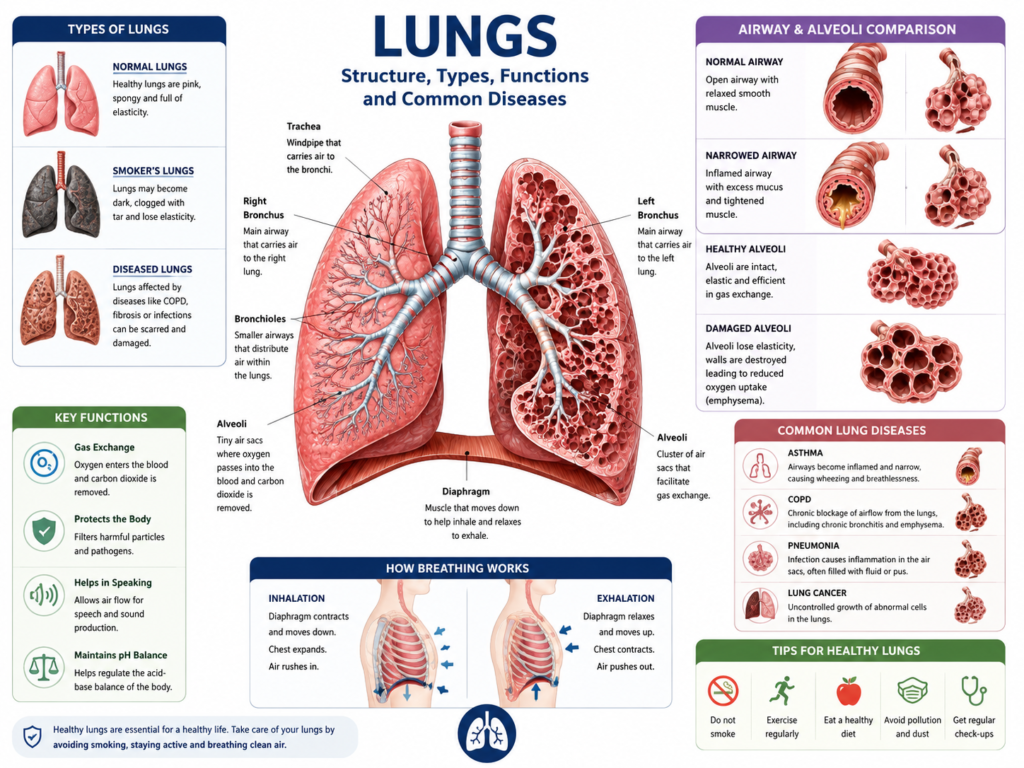
Chronic obstructive pulmonary disease is a progressive lung disease that restricts airflow and makes breathing increasingly difficult over time. It develops when the airways become damaged or inflamed, making it harder for air to move in and out of the lungs. The condition usually develops gradually, so people may notice a persistent cough, extra mucus, or shortness of breath during everyday activities before realizing something is wrong. Although COPD cannot usually be reversed, early diagnosis, appropriate treatment, and lifestyle changes can help manage symptoms and improve quality of life.
In this guide, you’ll learn what COPD is, what causes it, how to recognize its symptoms, how doctors diagnose it, and which treatments can help you breathe more comfortably.
What Is Chronic Obstructive Pulmonary Disease?
Chronic obstructive pulmonary disease (COPD) is a long-term lung condition that makes breathing difficult. It is commonly associated with long-term exposure to cigarette smoke, air pollution, dust, and chemical fumes. COPD is an umbrella term that includes two main conditions: emphysema and chronic bronchitis. Some people experience features of both conditions. While the damage to the lungs is generally permanent, treatment can reduce symptoms, prevent complications, and help people remain active for longer.
What Are the Main Types of COPD?
The two main conditions associated with COPD are emphysema and chronic bronchitis. They affect the lungs in different ways, although their symptoms often overlap. Understanding these differences can help explain why some people struggle mainly with breathlessness while others experience a persistent cough with mucus.
Emphysema
Emphysema damages the tiny air sacs called alveoli, where oxygen enters the bloodstream and carbon dioxide leaves the body. When these air sacs lose their elasticity or their walls break down, air becomes trapped in the lungs, making it difficult to breathe out completely. People with emphysema often experience increasing shortness of breath, especially during physical activity. Smoking is a major cause, although a rare inherited condition called alpha-1 antitrypsin deficiency can also contribute.
Chronic Bronchitis
Chronic bronchitis involves long-term inflammation of the airways and increased mucus production. The airway lining becomes irritated and swollen, while excess mucus makes it harder for air to pass through. A persistent cough that produces phlegm is a common symptom. Clinically, chronic bronchitis is traditionally defined as a productive cough lasting at least three months per year for two consecutive years, after other causes have been considered.
Common Symptoms of Chronic Obstructive Pulmonary Disease
COPD symptoms can develop slowly, which means they may initially seem like normal signs of aging, reduced fitness, or a lingering smoker’s cough. Recognizing the warning signs early is important because treatment can help slow the impact of the disease and reduce flare-ups.
Persistent Cough and Mucus
A long-lasting cough is one of the most common early signs of COPD. Some people regularly cough up mucus, particularly in the morning. The cough may be dismissed as a minor irritation, but a persistent cough deserves medical assessment, especially when it occurs alongside smoking history or breathing difficulties.
Shortness of Breath
Breathlessness often becomes noticeable during activities such as walking uphill, climbing stairs, carrying groceries, or doing household chores. As airflow obstruction progresses, some people may feel short of breath during lighter activities or even while resting. New or worsening breathlessness should never automatically be attributed to COPD because heart and other lung conditions can cause similar symptoms.
Wheezing and Chest Tightness
Wheezing is a whistling sound that can occur when air moves through narrowed airways. Some people with COPD also experience chest tightness, especially during physical activity or respiratory infections. These symptoms can fluctuate from day to day, but persistent or worsening symptoms should be discussed with a healthcare professional.
Fatigue and Reduced Stamina
When breathing requires more effort, everyday tasks can become exhausting. People may find themselves taking frequent breaks, walking more slowly, or avoiding activities they once enjoyed. Poor sleep and reduced physical activity can add to the fatigue, creating a cycle that gradually affects independence and overall well-being.
Frequent Respiratory Infections
People with COPD may experience repeated chest infections or prolonged worsening of cough and mucus. Respiratory infections can trigger sudden flare-ups, known as exacerbations, that make breathing more difficult than usual. Frequent infections or a noticeable change in mucus production are reasons to seek medical advice.
What Causes Chronic Obstructive Pulmonary Disease?
COPD usually develops after repeated or prolonged exposure to substances that irritate and damage the lungs. Smoking is the best-known cause, but it is not the only one. A person’s environment, workplace, medical history, and genetic background can all influence their risk.
Smoking and Secondhand Smoke
Cigarette smoking is a major risk factor for COPD because tobacco smoke damages lung tissue and keeps the airways inflamed. The risk generally increases with longer and heavier exposure. People who live with smokers can also be affected by secondhand smoke, and quitting smoking can help protect remaining lung function even after COPD has developed.
Air Pollution and Indoor Smoke
Air pollution, smoke from burning wood or other fuels, and poorly ventilated cooking areas can expose the lungs to harmful particles over time. This is particularly important in homes where cooking or heating produces substantial smoke indoors. Reducing exposure to these pollutants can help lower respiratory risks.
Workplace Dust and Chemical Fumes
People who work around construction dust, industrial chemicals, mining dust, welding fumes, or other airborne irritants may face an increased risk of lung damage. The risk depends on the substance, exposure level, and duration. Appropriate ventilation and suitable respiratory protection are important ways to reduce exposure.
Genetics and Other Risk Factors
Some people develop COPD despite never smoking. A rare inherited condition called alpha-1 antitrypsin deficiency can cause early lung damage, particularly when combined with smoking or other exposures. Childhood respiratory problems, asthma, and factors that interfere with normal lung development may also contribute to the risk.
How Is Chronic Obstructive Pulmonary Disease Diagnosed?
Diagnosing COPD involves reviewing symptoms, medical history, exposure to smoke or other irritants, and lung function test results. Because COPD can resemble asthma, heart disease, and other respiratory conditions, a healthcare professional needs to assess the full picture rather than relying on symptoms alone.
Spirometry: The Main Diagnostic Test
Spirometry is the primary test used to confirm COPD. During the test, you take a deep breath and blow forcefully into a mouthpiece connected to a machine that measures how much air you can exhale and how quickly you can do it. The results help doctors identify persistent airflow obstruction and determine whether further evaluation is needed.
Medical History and Physical Examination
Your doctor may ask about coughing, mucus production, breathlessness, smoking history, workplace exposures, and family history of lung disease. They may listen to your chest for unusual breathing sounds and check your oxygen level. These findings help guide the choice of additional tests.
Chest X-Rays and CT Scans
A chest X-ray cannot confirm COPD by itself, but it can help identify other causes of breathing difficulties. A CT scan may be used when doctors need a more detailed view of the lungs, assess emphysema, or investigate another suspected condition. Not everyone with possible COPD needs both tests.
Blood Tests and Oxygen Measurements
Blood tests may help investigate other health problems or identify alpha-1 antitrypsin deficiency when appropriate. Pulse oximetry measures oxygen saturation using a small sensor placed on a finger. In selected cases, an arterial blood gas test measures oxygen and carbon dioxide levels more directly.
What Are the Treatment Options for COPD?
There is currently no cure that reverses the lung damage caused by COPD, but several treatments can reduce symptoms, improve daily functioning, and lower the risk of serious flare-ups. The best treatment plan depends on symptom severity, lung function, previous exacerbations, other medical conditions, and individual needs.
Bronchodilator Inhalers
Bronchodilators relax the muscles surrounding the airways, helping them open so air can move more easily. Some work quickly to relieve symptoms, while others provide longer-lasting control and are used regularly. Your doctor will select the appropriate inhaler based on your symptoms and treatment needs.
Inhaled Corticosteroids and Combination Medicines
Some people benefit from inhaled corticosteroids, which reduce inflammation in the airways. They are often prescribed alongside bronchodilators for selected patients, particularly when exacerbations occur frequently or other clinical features suggest they may help. These medicines are not necessary for everyone with COPD, and their potential benefits and risks should be discussed with a healthcare professional.
Pulmonary Rehabilitation
Pulmonary rehabilitation is a supervised program that combines exercise training, education, breathing techniques, and practical strategies for managing daily activities. It can help people improve exercise tolerance, manage breathlessness, and feel more confident about staying active. A healthcare professional can advise whether a local or remote rehabilitation program is suitable.
Oxygen Therapy
Some people with advanced COPD develop persistently low oxygen levels and may need prescribed oxygen therapy. Oxygen can be delivered through nasal tubing or a mask, depending on the treatment plan. It is not necessary for everyone with COPD, and it should only be used according to medical assessment and instructions.
Surgery and Other Advanced Treatments
For carefully selected people with severe COPD, procedures such as lung volume reduction surgery or other specialist interventions may improve breathing and daily functioning. Lung transplantation may be considered in certain advanced cases. These options require detailed assessment by a specialist team because they are not appropriate for everyone.
How Can You Manage COPD at Home?
Living with COPD often means learning how to pace activities, avoid respiratory irritants, and recognize changes in breathing early. Small adjustments to daily routines can make ordinary tasks more manageable. Home strategies should complement, rather than replace, prescribed treatment and regular medical care.
Stop Smoking and Avoid Lung Irritants
If you smoke, quitting is one of the most important steps you can take to protect your remaining lung function. Support from a healthcare professional, counseling, and appropriate stop-smoking treatments can make quitting easier. Try to avoid secondhand smoke, heavy dust, strong fumes, and other known triggers whenever possible.
Stay Physically Active
Gentle, regular movement can help maintain muscle strength and stamina. Depending on your condition, this might include short walks, light household activities, or exercises recommended through pulmonary rehabilitation. Start at a comfortable level and ask your clinician how to exercise safely if physical activity causes significant breathlessness.
Eat Balanced Meals and Maintain a Healthy Weight
A balanced diet provides energy and supports the muscles involved in breathing. Some people with advanced COPD lose weight and muscle, while others may find that excess weight makes breathing and movement harder. Eating manageable portions and including a variety of protein-rich foods, vegetables, fruits, and whole grains can help support overall health.
Practice Pursed-Lip Breathing
Pursed-lip breathing may help some people control breathlessness during everyday activities. Breathe in gently through your nose, then breathe out slowly through lips held as if you are going to whistle. Avoid forcing the breath, and ask a respiratory professional to demonstrate the technique if you are unsure how to use it.
Reduce the Risk of Respiratory Infections
Respiratory infections can trigger severe COPD flare-ups, so prevention matters. Ask your healthcare professional which influenza, COVID-19, pneumococcal, and other recommended vaccines are appropriate for you. Wash your hands regularly, avoid close contact with people who are ill when possible, and follow your treatment plan if symptoms change.
What Is a COPD Flare-Up?
A COPD flare-up, also called an exacerbation, occurs when symptoms suddenly become worse than usual. A person may experience increased breathlessness, more coughing, changes in mucus production, or greater chest tightness. Flare-ups are often triggered by respiratory infections, smoke, dust, or poor air quality, and some require urgent medical treatment.
Warning Signs of a Flare-Up
Watch for a noticeable increase in breathlessness, coughing more frequently, producing more mucus than usual, or changes in mucus color. Fever or unusual fatigue may also occur when an infection is involved. Contact your healthcare professional promptly if symptoms worsen, particularly if your usual treatment is not helping.
When to Seek Emergency Care
Severe difficulty breathing, inability to speak in full sentences because of breathlessness, blue or gray lips, sudden confusion, or fainting require emergency medical attention. Sudden chest pain or severe breathlessness can also indicate another life-threatening condition. Do not assume these symptoms are simply part of COPD.
What Complications Can COPD Cause?
COPD affects more than breathing. As the disease progresses, reduced physical activity, repeated infections, and persistently low oxygen levels can contribute to other health problems. However, complications vary considerably, and appropriate treatment and follow-up can help reduce some risks.
Heart Problems
People with COPD have an increased risk of certain cardiovascular conditions. Lung disease and heart disease can also cause similar symptoms, such as fatigue, chest discomfort, and breathlessness. New swelling in the legs, unexplained weight gain, or worsening breathing should be assessed by a healthcare professional.
Anxiety and Depression
Feeling short of breath can be frightening, particularly when symptoms interfere with sleep, exercise, or social activities. Some people become anxious about leaving home or experiencing breathlessness in public. Emotional support, pulmonary rehabilitation, and appropriate mental health care can help people cope with these challenges.
Muscle Weakness and Weight Changes
Reduced activity can lead to muscle weakness, making everyday movements more difficult. Some people with advanced disease also experience unintentional weight loss because breathing takes extra energy or eating becomes tiring. A clinician or dietitian can help develop a plan to support strength, nutrition, and energy levels.
How Can You Reduce Your Risk of COPD?
Not every case of COPD can be prevented, but reducing exposure to harmful substances and protecting lung health can lower the risk. These steps are especially valuable for people who smoke, work around airborne irritants, or live in areas with significant air pollution.
Avoid Smoking and Secondhand Smoke
Avoiding tobacco smoke is one of the most effective ways to reduce COPD risk. If you currently smoke, quitting at any age can benefit your health. Keeping indoor spaces smoke-free also protects other household members from harmful exposure.
Improve Indoor Air Quality
Use effective ventilation when cooking, heating, or working with products that release fumes. Where possible, choose cleaner cooking fuels and reduce exposure to smoke from burning wood, coal, or other materials. Follow product safety instructions and avoid mixing household chemicals that can release dangerous gases.
Use Workplace Protection
If your job exposes you to dust, fumes, or chemicals, follow workplace safety procedures and use appropriate protective equipment. Employers should provide suitable ventilation and exposure controls. Persistent coughing or breathing difficulties related to workplace exposure should be discussed with a healthcare professional.
Seek Medical Advice for Persistent Symptoms
A long-lasting cough, repeated chest infections, or unexplained shortness of breath deserves medical attention. Early assessment can help identify COPD or another condition before symptoms become more disruptive. People with a strong family history of early-onset COPD may also benefit from discussing inherited risk with their doctor.
Living Well With Chronic Obstructive Pulmonary Disease
A COPD diagnosis can feel overwhelming, especially when everyday activities suddenly require more planning. But the condition does not affect everyone in the same way, and many people continue to enjoy meaningful routines with the right support. Following a treatment plan, attending medical appointments, and learning how to manage breathlessness can make daily life more manageable.
It also helps to prepare for difficult days. Keep prescribed medicines accessible, understand how to use your inhalers, and ask your healthcare professional for a written action plan explaining what to do if symptoms worsen. Family members can help by learning the warning signs of a flare-up and knowing when to seek emergency assistance.
Conclusion
Chronic obstructive pulmonary disease (COPD) is a long-term lung condition that makes breathing difficult. Although it cannot usually be cured, early diagnosis, proper treatment, and healthy lifestyle changes can help manage symptoms and improve quality of life. Consult a healthcare professional if you experience persistent coughing or shortness of breath.
FAQs
1. What are 5 symptoms of COPD?
Five common symptoms are persistent coughing, excess mucus, shortness of breath, wheezing, and chest tightness.
2. Can people with COPD shower?
Yes. Warm water, good ventilation, a shower seat, and regular breaks can make showering easier.
3. What is the main cause of chronic obstructive pulmonary disease?
Cigarette smoking is the leading cause, although air pollution, workplace fumes, and genetic factors can also contribute.
4. Can you recover from COPD?
COPD has no cure, but treatment can relieve symptoms, slow progression, and improve quality of life.
5. Is cold air good for someone with COPD?
Cold air can trigger coughing and breathlessness. Covering your nose and mouth outdoors may help warm the air you breathe.
Read also: How to Tell If Chest Pain Is Anxiety or Heart Related
Pingback: Life Expectancy With Fatty Liver Disease by Stage