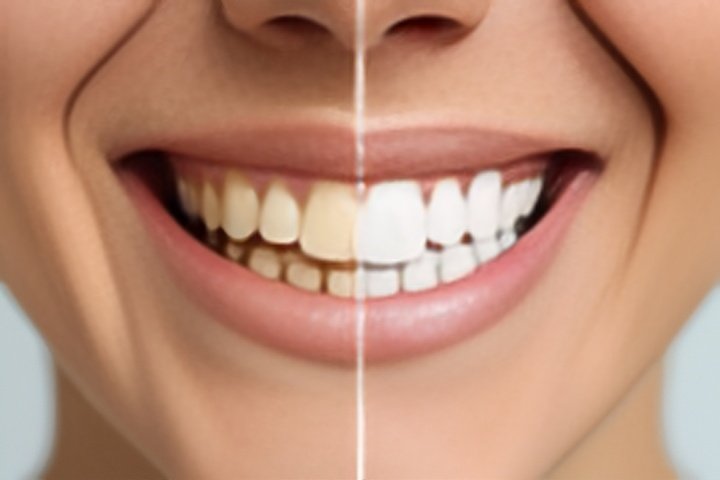
How does hydrogen peroxide whiten teeth? Learn how it removes stains, how long results last, potential risks, and safer teeth-whitening options. Hydrogen peroxide whitens teeth by breaking down colored molecules responsible for stains. It releases reactive oxygen species that chemically change these molecules, making them absorb less visible light and appear lighter. Unlike ordinary toothpaste, which mainly removes surface buildup and some external stains, peroxide-based whitening products can also affect discoloration within natural teeth.
Understanding how hydrogen peroxide works can help you decide whether it is a suitable whitening option for you. It is equally important to know how to use whitening products safely, what results to expect, and which home remedies you should avoid.
How Does Hydrogen Peroxide Whiten Teeth?
Hydrogen peroxide is a chemical compound made of hydrogen and oxygen. In dentistry, it is used as a bleaching agent because it can break down certain compounds responsible for tooth discoloration. It is found in many whitening strips, gels, and professional dental treatments.
When hydrogen peroxide comes into contact with the teeth, it can penetrate the enamel and reach some of the stained material beneath the surface. It then produces reactive oxygen species that react with colored molecules, often called chromogens. These reactions change the structure of the stain molecules, reducing the way they absorb and reflect visible light. As a result, the teeth may look brighter and less yellow or brown.
The important thing to understand is that hydrogen peroxide does not simply paint the teeth white or scrub stains away. It changes the chemistry of the molecules responsible for discoloration. The final result depends on the type of stain, the peroxide concentration, the length of treatment, and the condition of your teeth.
How Hydrogen Peroxide Removes Tooth Stains
Tooth stains develop for different reasons, and not all discoloration responds to whitening in the same way. Some stains sit on the outer surface of the enamel, while others develop deeper inside the tooth. Hydrogen peroxide can help with many forms of discoloration, although certain stains may require professional dental treatment.
Breaking Down Surface Stains
Surface stains often develop after regularly drinking coffee, tea, or red wine, or from using tobacco products. These substances contain compounds that can attach to the outer surface of the teeth over time. Whitening toothpaste and professional cleaning may help remove some of this discoloration, while peroxide-based products can chemically lighten susceptible stain molecules.
For example, someone who drinks several cups of coffee each day may notice yellow or brown staining near the gumline or between the teeth. A suitable whitening product may gradually make these stains less noticeable. However, if hardened plaque or tartar is contributing to the discoloration, a professional dental cleaning is usually more appropriate than whitening alone.
Lightening Discoloration Inside the Tooth
Some stains are not limited to the enamel’s outer surface. Pigments can affect the underlying dentin, the naturally yellowish layer beneath the enamel, and certain discolorations develop within the tooth itself. Hydrogen peroxide can penetrate tooth structure and react with some of the colored compounds responsible for these changes.
This is one reason peroxide-based whitening can produce results that ordinary brushing cannot achieve. However, deeper discoloration does not always respond well to standard whitening products. Teeth affected by trauma, certain medications, or developmental conditions may need an assessment by a dentist to determine the most appropriate treatment.
What Happens to Your Teeth During Whitening?
The whitening process is chemical rather than purely mechanical. After a peroxide-based product is applied, the active ingredient begins reacting with susceptible stain molecules. Over the recommended treatment period, repeated exposure can produce a visible change in tooth color.
The process does not happen equally in every person. Some people notice a difference after several applications, while others need a longer course of treatment. The original shade of the teeth, the cause of the stains, the formulation of the product, and how consistently it is used all affect the outcome.
It is also worth remembering that healthy natural teeth are not naturally pure white. Teeth normally have different shades of ivory, cream, or light yellow. The goal of whitening is to reduce unwanted discoloration, not necessarily to create an unnaturally bright shade.
Hydrogen Peroxide vs. Carbamide Peroxide
Hydrogen peroxide is not the only bleaching ingredient used in dentistry. Another common ingredient is carbamide peroxide, which breaks down into hydrogen peroxide and urea when exposed to moisture. The released hydrogen peroxide is responsible for much of its bleaching action.
Hydrogen peroxide products may act relatively quickly, depending on their concentration and formulation. Carbamide peroxide products often release hydrogen peroxide more gradually, which is why some dentist-supervised whitening trays are designed for longer wear.
Neither ingredient is automatically the best choice for everyone. Product strength, application time, dental health, and professional guidance all matter. A product with a higher concentration is not necessarily the safest or most suitable option for home use.
Benefits of Hydrogen Peroxide Teeth Whitening
One major benefit of peroxide-based whitening is that it can lighten certain types of discoloration without removing tooth structure in the way some abrasive approaches can. When used appropriately, it offers a practical option for people who want to improve the appearance of stained natural teeth.
Another advantage is that hydrogen peroxide is available in several professionally formulated products. Whitening strips, gels, and dentist-supervised treatments offer different application methods and treatment schedules. This gives people options based on their preferences and dental needs.
The results can also be noticeable when the discoloration responds well to bleaching. However, outcomes vary, and whitening does not correct every cosmetic issue. It cannot change the color of crowns, veneers, or tooth-colored fillings, and it will not repair cavities or damaged enamel.
Is Hydrogen Peroxide Safe for Teeth Whitening?
Hydrogen peroxide can be safe and effective when it is used in an appropriately formulated dental product and according to the instructions. The concentration, contact time, frequency of use, and condition of the person’s teeth and gums all influence safety.
Problems are more likely when people use concentrated solutions, apply peroxide too frequently, leave products on longer than directed, or follow untested home remedies. These practices can irritate the gums and increase tooth sensitivity. If you have cavities, gum disease, exposed roots, cracks, or existing dental pain, whitening may need to wait until those issues have been assessed.
Common Side Effects of Hydrogen Peroxide
Tooth sensitivity is one of the most common side effects of peroxide-based whitening. You may notice a temporary sharp feeling when drinking cold water or breathing in cool air. This often improves after treatment is paused or completed, but persistent or severe sensitivity should be evaluated by a dentist.
Gum irritation is another possible problem, especially if whitening gel touches the soft tissues of the mouth. Some people also experience temporary discomfort in the mouth during treatment. Following the product’s directions and avoiding excessive exposure can help reduce these risks.
Can Hydrogen Peroxide Damage Tooth Enamel?
Using a properly formulated whitening product as directed is different from repeatedly exposing your teeth to concentrated household peroxide. Excessive or inappropriate use may irritate oral tissues and negatively affect tooth structure. It can also make teeth uncomfortable without producing better whitening results.
Enamel does not grow back once it has been lost. For this reason, it is unwise to experiment with strong peroxide solutions or repeat treatments more often than recommended. If you are unsure about a product’s concentration or suitability, ask a dentist before using it.
How to Whiten Teeth With Hydrogen Peroxide Safely
The safest starting point is to choose a whitening product specifically designed for teeth. Read the instructions carefully and follow the recommended application time and frequency. Do not assume that a stronger solution will work better or that keeping a product on longer will produce a whiter smile.
Before whitening, make sure your teeth and gums are in good condition. A dentist can identify issues such as decay, gum inflammation, worn enamel, or exposed roots that may increase discomfort during treatment. Professional advice is particularly useful if you have sensitive teeth or dental restorations.
Avoid using household hydrogen peroxide as a direct tooth-whitening treatment. Products intended for wound care or household use may not be designed for safe, controlled exposure inside the mouth. Never swallow peroxide, mix it with other chemicals, or apply concentrated solutions to your teeth or gums.
How Long Does Hydrogen Peroxide Take to Whiten Teeth?
The time required depends on the product and the type of discoloration being treated. Some people notice changes after a few applications, while other whitening treatments take several days or weeks to produce their intended results. Professional treatments may produce a visible change during a dental appointment, although the final shade can continue to settle afterward.
More frequent application does not necessarily lead to faster or better results. Excessive exposure can increase sensitivity and gum irritation. Follow the manufacturer’s schedule or your dentist’s instructions instead of trying to speed up the process.
If your teeth do not become noticeably lighter after a complete, correctly followed treatment, consider getting dental advice rather than immediately increasing the peroxide concentration. The stains may not respond well to bleaching, or another dental issue may be affecting their appearance.
How Long Do Hydrogen Peroxide Whitening Results Last?
Hydrogen peroxide whitening is not permanent. Over time, teeth can develop new stains from coffee, tea, tobacco, certain foods, and natural aging. How long the results last depends on your habits, oral hygiene, the treatment used, and the original cause of the discoloration.
Brushing twice daily with fluoride toothpaste, cleaning between your teeth, and attending regular dental checkups can support good oral health and help manage surface stains. Reducing frequent exposure to strongly colored drinks may also help maintain the appearance of your smile.
You do not need to avoid every food or drink that can stain teeth. The more practical approach is to maintain a consistent oral-care routine and use whitening products only as directed. If you want a touch-up treatment, check the product instructions and seek professional guidance if you experience sensitivity.
Hydrogen Peroxide vs. Whitening Toothpaste
Whitening toothpaste and peroxide-based whitening products work differently. Many whitening toothpastes rely on mild abrasives to remove surface stains, while some also contain ingredients that help prevent new stains from building up. Certain formulas include peroxide, but the ingredient concentration and contact time may differ from those of whitening strips or gels.
Whitening strips and gels are designed to keep a bleaching ingredient in contact with the teeth for a specified period. They may therefore lighten some discoloration that ordinary toothpaste cannot remove. The best choice depends on whether you have surface staining, deeper discoloration, or a combination of both.
If your teeth look yellow because of natural dentin color rather than removable surface stains, a whitening toothpaste may have limited results. If the discoloration is caused by tartar, a professional cleaning may be more useful. A dentist can help identify the cause before you spend money on products that may not meet your needs.
Who Should Avoid DIY Hydrogen Peroxide Whitening?
People with untreated cavities, active gum disease, cracked teeth, significant sensitivity, or exposed roots should get dental advice before whitening. Peroxide can worsen discomfort if the underlying problem is not addressed first. Dental restorations also require consideration because crowns, veneers, and fillings will not whiten like natural teeth.
Children and teenagers should not start peroxide-based whitening without guidance from a dental professional. Pregnant or breastfeeding individuals who are considering whitening should discuss the available evidence and their circumstances with a dentist or healthcare professional before beginning treatment.
If one tooth suddenly becomes darker than the others, do not assume that whitening is the answer. A single discolored tooth can sometimes indicate trauma, decay, or a problem with the tooth’s nerve. It is better to have the cause checked before using a bleaching product.
Common Myths About Hydrogen Peroxide Teeth Whitening
One common myth is that hydrogen peroxide removes all tooth stains. In reality, its effectiveness depends on the cause of discoloration. Some stains respond well, while others may need cleaning, restorative treatment, or a different cosmetic approach.
Another misconception is that stronger peroxide always produces a better result. Concentration is only one part of the equation. Contact time, formulation, tooth condition, and correct application also matter, and excessive exposure can increase side effects.
A final myth is that whitening makes teeth permanently white. Teeth naturally change over time, and new stains can develop after treatment. Whitening can improve appearance, but it does not stop aging or eliminate every future source of discoloration.
When Should You See a Dentist?
If you have ongoing tooth sensitivity, gum irritation, visible damage, or unexplained discoloration, arrange a dental assessment before continuing whitening. You should also seek advice if a tooth changes color suddenly or becomes painful. These symptoms may require treatment beyond cosmetic bleaching.
A dentist can assess your enamel and gums, explain which stains are likely to respond to peroxide, and recommend a suitable product or professional treatment. This is especially valuable if you have dental restorations or have already tried whitening products without success.
The best whitening plan is one that improves the appearance of your teeth without compromising their health. A gradual, supervised approach is usually more sensible than chasing immediate results with concentrated DIY treatments.
Conclusion
So, how does hydrogen peroxide whiten teeth? It works by chemically changing the colored molecules responsible for many types of tooth discoloration. This process can make natural teeth look brighter and help reduce stains that regular brushing alone may not remove.
However, whitening is not a one-size-fits-all solution. Results vary, side effects are possible, and certain dental conditions need attention before treatment begins. Choose products designed for teeth, follow their directions, and avoid experimenting with concentrated household peroxide.
If you want a brighter smile, start by understanding what is causing the discoloration. With the right approach and good dental care, you can work toward a cleaner-looking smile while protecting your teeth and gums.
Frequently Asked Questions (FAQs)
1. How does hydrogen peroxide whiten teeth?
Hydrogen peroxide whitens teeth by breaking down colored molecules responsible for discoloration. It penetrates tooth structure and chemically changes certain stain compounds, making them less visible. The results depend on the type of staining, the product used, and how consistently it is applied according to directions.
2. How quickly does hydrogen peroxide whiten teeth?
Some people notice a difference after a few applications, while others need several days or weeks. The timing depends on the whitening product, its formulation, and the original tooth color. Using more peroxide or leaving it on longer than recommended can increase irritation without guaranteeing better results.
3. Is hydrogen peroxide safe for whitening teeth at home?
Hydrogen peroxide can be safe when used in a properly formulated dental whitening product according to its instructions. Household peroxide and concentrated solutions should not be used as DIY whitening treatments. People with sensitive teeth, cavities, or gum problems should consult a dentist before whitening.
4. Can hydrogen peroxide remove yellow stains from teeth?
Yes, peroxide-based whitening products can lighten many yellow stains caused by foods, drinks, and aging. However, some discoloration comes from natural dentin color, tartar buildup, medications, or dental conditions. These causes may require professional cleaning or an individualized treatment plan.
5. Does hydrogen peroxide damage tooth enamel?
Correct use of a suitable whitening product is different from excessive exposure to concentrated peroxide. Misuse can cause tooth sensitivity, gum irritation, and potentially harm tooth structure. Follow product directions carefully and stop using the product if you experience significant pain or persistent irritation.
Pingback: Early Signs and Symptoms of Kidney Disease in Adults