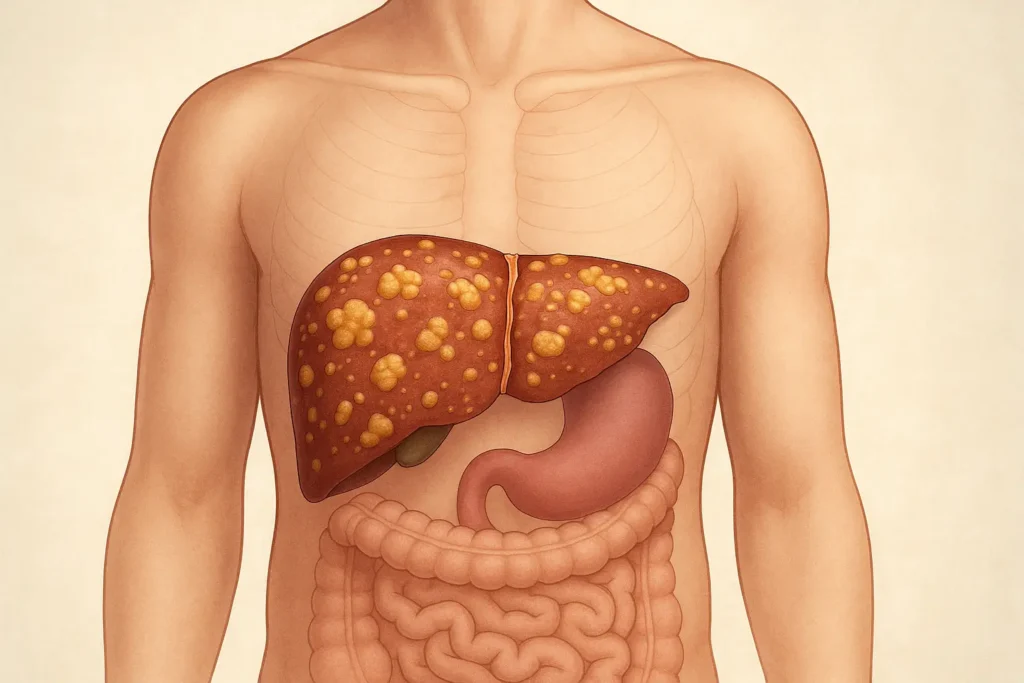
Life expectancy with fatty liver disease depends on its stage, liver damage, and overall health. Learn the risks, symptoms, and ways to protect your liver. Fatty liver disease can sound frightening, especially when you first see the diagnosis on a medical report. One of the first questions that comes to mind is simple: How long can you live with it? The reassuring news is that many people with early-stage fatty liver disease live for decades without developing serious liver problems. However, the outlook depends on the amount of liver damage, whether inflammation or scarring has developed, and a person’s overall health. Understanding the condition can help you make informed decisions and take practical steps to protect your liver.
There is no single life expectancy figure that applies to everyone. Some people have fat buildup without significant damage, while others develop progressive scarring that requires specialist care. The good news is that lifestyle changes, treatment of related health conditions, and regular medical monitoring can make a meaningful difference.
What Is Fatty Liver Disease?
Fatty liver disease occurs when excess fat accumulates in the liver. A small amount of fat is normal, but too much can interfere with how the liver functions in some people. The condition is often linked to obesity, insulin resistance, type 2 diabetes, high cholesterol, and other metabolic health problems. Alcohol can also cause fat to build up in the liver. Fatty liver disease related to metabolic risk factors is now commonly called metabolic dysfunction-associated steatotic liver disease (MASLD), while alcohol-related liver disease has a different cause.
The liver performs essential jobs, including processing nutrients, removing harmful substances from the blood, and producing proteins needed for normal body function. In its early stages, fatty liver disease often causes no obvious symptoms. Many people discover it during an ultrasound, blood test, or medical checkup for an unrelated concern. Finding it early provides an opportunity to assess the risk of future damage and make changes before more serious complications develop.
What Is the Life Expectancy With Fatty Liver Disease?
Life expectancy with fatty liver disease depends mainly on whether the condition remains at the fat-accumulation stage or progresses to inflammation, fibrosis, or cirrhosis. People with uncomplicated fatty liver often have a favorable outlook, particularly when they manage their weight, blood sugar, cholesterol, and other risk factors. Advanced fibrosis and cirrhosis carry greater risks because scar tissue can interfere with normal liver function and increase the likelihood of serious complications.
It is important not to assume that a fatty liver diagnosis means a person will have a shortened life. Many people never develop advanced disease. On the other hand, fatty liver disease is associated with a higher risk of cardiovascular disease, which is an important consideration when assessing long-term health. A doctor can provide a more meaningful assessment by reviewing blood tests, medical history, imaging results, and any evidence of liver scarring.
Fatty Liver Disease Life Expectancy by Stage
Stage 1: Simple Fatty Liver
Simple fatty liver, also called steatosis, means excess fat has collected in liver cells without significant inflammation or liver-cell injury. Many people remain at this stage for years, and some improve the condition through lifestyle changes and treatment of related health problems. Although the outlook is generally favorable, simple fatty liver should not be ignored because some people can develop progressive disease over time.
Stage 2: Fatty Liver With Inflammation (MASH)
Metabolic dysfunction-associated steatohepatitis (MASH), formerly known as NASH, is a more active form of fatty liver disease. In addition to fat buildup, inflammation damages liver cells and may lead to scarring. Life expectancy varies depending on how much damage has occurred and whether fibrosis develops. Early intervention can help reduce liver fat and inflammation, but regular follow-up is important to identify people at higher risk of progression.
Stage 3: Liver Fibrosis
Liver fibrosis occurs when repeated injury causes scar tissue to build up. Its severity ranges from mild scarring to advanced fibrosis, which carries a greater risk of developing cirrhosis. People with mild fibrosis may have a good long-term outlook, especially when the underlying cause is addressed. Advanced fibrosis requires closer medical monitoring because the risk of liver-related complications is higher, even when a person feels completely healthy.
Stage 4: Cirrhosis
Cirrhosis is the most advanced stage of liver scarring. It can interfere with blood flow through the liver and reduce its ability to perform essential functions. Some people have compensated cirrhosis, meaning the liver still performs adequately and major complications have not developed. Others develop decompensated cirrhosis, which can involve fluid buildup in the abdomen, internal bleeding, or confusion. Life expectancy varies considerably between these groups, and specialist care can help manage complications and assess whether a liver transplant may be needed.
What Factors Affect Life Expectancy With Fatty Liver Disease?
The Amount of Liver Scarring
The degree of fibrosis is one of the most important factors in predicting liver-related outcomes. A person with fat accumulation but little or no scarring generally has a better outlook than someone with advanced fibrosis or cirrhosis. This is why doctors often focus on determining the extent of liver damage rather than relying only on the amount of fat seen on an ultrasound.
Age and Overall Health
Age can influence long-term health, but it does not determine an individual’s prognosis on its own. A younger adult with diabetes and advanced liver scarring may face greater liver-related risks than an older adult with uncomplicated fatty liver. Kidney disease, heart disease, other chronic conditions, and general physical health can also affect outcomes and treatment options.
Diabetes and Insulin Resistance
Type 2 diabetes and insulin resistance are closely associated with metabolic fatty liver disease. These conditions can increase the risk of more advanced liver damage, while diabetes also raises the risk of cardiovascular complications. Keeping blood glucose under control, taking prescribed medicines, and attending regular checkups are important parts of protecting both liver and overall health.
Alcohol Consumption
Alcohol can contribute to liver injury, and drinking can be particularly harmful when another form of liver disease is already present. The safest advice depends on the person’s diagnosis and degree of liver damage. Anyone with cirrhosis or alcohol-related liver disease should avoid alcohol completely and discuss any concerns about stopping with a healthcare professional.
Heart Health and Cholesterol
Fatty liver disease often occurs alongside high blood pressure, abnormal cholesterol levels, and excess body weight. These conditions can increase the risk of heart attack and stroke, which are important causes of illness and death among people with metabolic fatty liver disease. Managing cholesterol, blood pressure, blood sugar, and smoking risk is therefore just as important as monitoring the liver.
Can You Live a Normal Life With Fatty Liver Disease?
Yes, many people with fatty liver disease continue to work, exercise, travel, raise families, and enjoy their usual activities. Early-stage disease often causes no symptoms and does not immediately interfere with daily life. The key is to avoid assuming that feeling well means the liver is completely healthy. Keeping medical appointments, following an appropriate eating and exercise plan, and addressing other health conditions can help reduce the risk of future problems.
Even with more advanced disease, a meaningful quality of life may be possible with appropriate care. People with cirrhosis may need additional monitoring, medication, dietary guidance, or treatment for complications. Their needs differ from those of someone with uncomplicated fatty liver, so recommendations should be tailored to the stage of disease and the person’s nutritional status.
Can Fatty Liver Disease Be Reversed?
Fatty liver disease can improve, and early-stage fat accumulation may resolve when the underlying causes are addressed. Gradual weight loss, regular physical activity, and better management of metabolic conditions can reduce liver fat. In people with MASH, these changes may also improve inflammation and, in some cases, fibrosis. However, results vary, and advanced cirrhosis cannot reliably be reversed through lifestyle changes alone.
The important point is that improvement is possible even after a diagnosis. It is not necessary to change every habit overnight. Sustainable changes that a person can maintain for months and years are generally more useful than extreme diets or rapid weight-loss plans.
How to Improve Life Expectancy With Fatty Liver Disease
1. Aim for Gradual Weight Loss
If you have overweight or obesity, losing weight gradually can help reduce fat in the liver and may improve inflammation and scarring. Losing around 3% to 5% of body weight can reduce liver fat, while a greater sustained loss may be needed to improve inflammation and fibrosis. Avoid crash diets, fasting plans that are difficult to maintain, and rapid weight-loss methods without medical guidance.
2. Follow a Liver-Friendly Diet
A balanced diet can support liver health and reduce related metabolic risks. Include vegetables, whole fruits, beans, lentils, whole grains, nuts, and lean protein while limiting sugary drinks, excess added sugar, and highly processed foods. You do not need to buy expensive products marketed as liver cleanses. Consistent, practical eating habits are more useful than restrictive diets that promise quick results.
3. Exercise Regularly
Physical activity can help reduce liver fat even when significant weight loss does not occur. Walking, cycling, swimming, and other activities you enjoy are good options. If your health permits, aim for at least 150 minutes of moderate exercise per week and increase your activity gradually. People with advanced liver disease or other medical limitations should ask their healthcare professional which activities are appropriate.
4. Control Blood Sugar and Cholesterol
Managing diabetes, high cholesterol, and high blood pressure can improve overall health and help reduce complications associated with metabolic fatty liver disease. Attend regular checkups, take prescribed medication as directed, and discuss any difficulties with your treatment plan. Do not stop medication simply because you feel better or your liver blood tests improve.
5. Avoid Unproven Liver Cleanses
Herbal remedies, detox drinks, and supplements advertised as liver cleanses may not improve fatty liver disease, and some can cause liver injury. Speak with your doctor before taking supplements, especially if you already have abnormal liver tests or cirrhosis. Evidence-based treatment and appropriate monitoring are safer choices than products promising to remove liver fat quickly.
How Do Doctors Estimate Life Expectancy?
Doctors estimate the outlook by combining several pieces of information rather than relying on one test. Blood tests may assess liver enzymes, bilirubin, albumin, and clotting function, while platelet counts can help identify possible advanced liver disease. Ultrasound can detect fat and certain structural changes, but it cannot reliably determine the severity of fibrosis on its own. Depending on the results, doctors may recommend a fibrosis score, a FibroScan or other elastography test, or occasionally a liver biopsy.
The results help determine whether someone has uncomplicated fatty liver, inflammation, significant fibrosis, or cirrhosis. A doctor may also assess kidney function, diabetes, cholesterol, and cardiovascular risk because these factors influence long-term health. If advanced disease is suspected, a gastroenterologist or hepatologist can provide a more detailed assessment and recommend appropriate follow-up.
When Should You Seek Medical Attention?
Fatty liver disease often develops without noticeable symptoms, so regular medical review matters even if you feel fine. Contact your healthcare professional if you have persistent fatigue, unexplained abdominal discomfort, or concerns about abnormal liver tests. Seek urgent medical attention for yellowing of the eyes or skin, vomiting blood, black tarry stools, new confusion, or significant abdominal swelling, as these can indicate serious liver complications.
Conclusion
Life expectancy with fatty liver disease depends on the stage of the condition, the amount of liver scarring, and a person’s overall health. Many people with early-stage disease live for decades without developing advanced liver problems, while those with cirrhosis need more careful monitoring and treatment. Early diagnosis, gradual lifestyle changes, and management of conditions such as diabetes and high cholesterol can help protect long-term health. If you have received a fatty liver diagnosis, the most useful next step is to find out whether scarring is present rather than assume the worst based on the diagnosis alone.
FAQs
1. Can you live 20 years with fatty liver?
Yes, many people live 20 years or longer with fatty liver disease, especially when it is diagnosed early and managed properly.
2. What foods should I avoid if I have fatty liver disease?
Limit sugary drinks, sweets, fried foods, highly processed foods, and excess saturated fat. Choose vegetables, whole grains, fruits, and lean proteins.
3. How quickly can fatty liver be reversed?
Fatty liver may improve within a few months of consistent lifestyle changes, although the timeline depends on the severity of the disease and individual health.
4. Is fatty liver 100% curable?
Early-stage fatty liver can often be reversed. Advanced scarring and cirrhosis are harder to reverse and require medical management.
5. Should I worry if I have a fatty liver?
There is no need to panic, but you should take it seriously. Follow up with your doctor to assess liver damage and reduce the risk of complications.
Read also: Chronic Obstructive Pulmonary Disease Causes, Treatment, and Prevention
Pingback: Immune System Boosting Habits After Long Illness