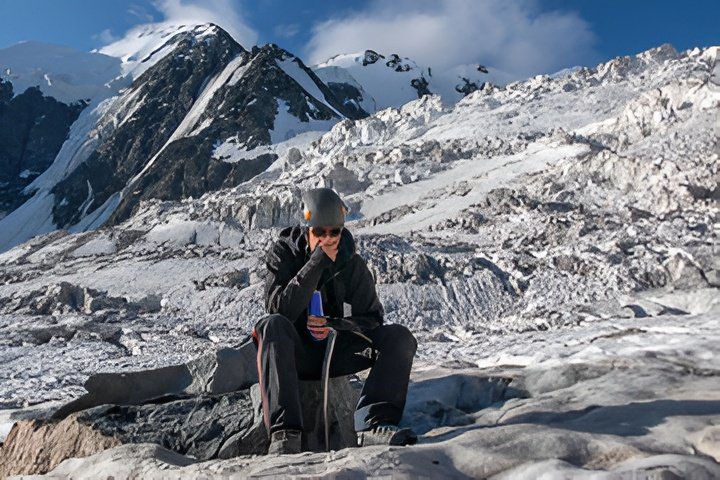
altitude sickness symptoms and how to prevent it with practical tips on acclimatization, hydration, warning signs, and safe high-altitude travel. Altitude sickness is a condition that develops when your body struggles to adjust to the lower availability of oxygen at high elevations. Although the percentage of oxygen in the air remains approximately the same, the air pressure decreases as you climb higher, meaning each breath delivers less oxygen to your body. This change can affect your brain, lungs, sleep, and overall energy levels.
The condition is also known as acute mountain sickness (AMS). It commonly occurs when people ascend too quickly, especially when they reach elevations above approximately 2,500 meters (8,200 feet). Some people experience only a mild headache and tiredness, while others may develop serious complications that require immediate medical attention.
Altitude Sickness Symptoms and How to Prevent It
The main symptoms of altitude sickness include headache, nausea, dizziness, fatigue, reduced appetite, and difficulty sleeping after ascending to a higher elevation. Symptoms often appear within several hours of arrival, although the timing and severity vary from person to person.
The most effective prevention strategy is to ascend gradually, allow time for acclimatization, avoid strenuous activity during the first days at a new altitude, and recognize warning signs early. If symptoms develop, avoid going higher until they have completely resolved. Worsening symptoms require medical attention and may mean you need to descend.
Common Altitude Sickness Symptoms
Recognizing the early signs of altitude sickness can help you respond before the condition becomes more serious. Symptoms may be mild at first, so it is important not to dismiss unusual discomfort as ordinary travel fatigue.
1. Headache
A headache is one of the most common signs of acute mountain sickness. It may feel like a dull ache or a persistent pressure in your head, sometimes becoming more noticeable when you walk or exert yourself. A headache after ascending to a high elevation deserves attention, especially when it occurs alongside nausea, dizziness, or unusual tiredness.
2. Nausea and Vomiting
Some people develop an upset stomach, lose their appetite, or feel sick after reaching a higher altitude. In more noticeable cases, nausea may lead to vomiting, making it difficult to eat or drink enough. These symptoms can resemble travel sickness or a stomach problem, but their appearance after a rapid ascent may suggest altitude sickness.
3. Dizziness and Lightheadedness
Dizziness can make you feel unsteady, faint, or uncomfortable when standing or walking. It may become more noticeable during physical activity, especially when you are tired or dehydrated. If dizziness is severe or accompanied by difficulty walking straight, confusion, or unusual behavior, treat it as an emergency warning sign rather than a normal adjustment to altitude.
4. Unusual Tiredness and Weakness
Feeling tired after a long hike is normal, but altitude sickness can cause fatigue that seems out of proportion to your activity. You may struggle with simple tasks, feel weak after a short walk, or find that your usual pace becomes difficult to maintain. Resting can help with ordinary exertion, but persistent or worsening fatigue after a rapid ascent should not be ignored.
5. Difficulty Sleeping
High altitude can disturb your normal sleep pattern. You might wake repeatedly during the night, feel restless, or experience periods of faster breathing while asleep. Sleep disturbances can occur during acclimatization, but difficulty sleeping alongside a headache, nausea, or other symptoms may indicate acute mountain sickness.
6. Loss of Appetite
Food may become less appealing when your body is adjusting to a high elevation. You may feel full quickly, experience mild nausea, or have little interest in eating meals that you would normally enjoy. Although appetite changes alone do not confirm altitude sickness, they deserve attention when combined with other symptoms following an ascent.
7. Shortness of Breath During Activity
You may breathe faster than usual while walking uphill because your body is responding to lower oxygen availability. Some increase in breathing during exercise is expected at altitude, particularly during the first few days. However, unusual breathlessness, a persistent cough, chest tightness, or difficulty breathing while resting can indicate a serious complication and requires urgent medical assessment.
What Causes Altitude Sickness?
Altitude sickness develops when your body cannot adjust quickly enough to the reduced oxygen availability at higher elevations. The lower air pressure makes it harder for oxygen to pass from your lungs into your bloodstream, which can affect how well your body functions.
Rapid Ascent to High Elevations
Climbing too quickly is one of the biggest risk factors for altitude sickness. For example, traveling directly from a low-altitude city to a mountain destination several thousand meters above sea level may leave your body with little time to adapt. Gradual ascent gives your body an opportunity to make the necessary adjustments.
Spending the Night at a High Altitude
Your sleeping altitude matters because your body continues to respond to the reduced oxygen availability throughout the night. Someone who visits a high viewpoint briefly may face a different risk from someone who sleeps at that same elevation. Increasing sleeping altitude too quickly can raise the likelihood of developing symptoms.
Individual Differences
Altitude sickness does not affect everyone in the same way. Your age, physical fitness, and previous experience with exercise do not reliably predict whether you will develop it. Even healthy, active hikers can experience altitude sickness if they ascend too quickly. Your previous response to high altitude and the details of your current trip are more useful when assessing risk.
How to Prevent Altitude Sickness
Preventing altitude sickness starts before you leave home. Planning your route, allowing enough time to acclimatize, and knowing when to stop climbing can reduce your risk and make your trip more enjoyable.
1. Ascend Gradually
The most important prevention measure is to avoid gaining altitude too quickly, particularly when it comes to the elevation where you sleep. Above approximately 3,000 meters (9,800 feet), a commonly recommended approach is to increase sleeping altitude by no more than about 500 meters (1,600 feet) per day and include an extra acclimatization day for every additional 1,000 meters gained. These are general guidelines, not guarantees, and a more conservative schedule may be appropriate depending on your route and medical history.
2. Give Your Body Time to Acclimatize
Acclimatization is the process through which your body gradually adapts to lower oxygen availability. Spending additional nights at an intermediate elevation before climbing higher can make a meaningful difference. During this period, keep your activity light, pay attention to how you feel, and avoid treating a planned schedule as more important than your health.
3. Stay Properly Hydrated
Drink water regularly throughout the day, especially if you are hiking, sweating, or spending time in dry mountain air. Dehydration can make you feel worse and may cause symptoms that overlap with altitude sickness. However, drinking excessive amounts of water does not prevent altitude sickness and can be dangerous, so aim for normal hydration rather than forcing yourself to drink continuously.
4. Avoid Heavy Exercise at First
Your body may need time to adjust even if you regularly exercise at lower elevations. Keep your walking pace comfortable during the first day or two, take breaks when needed, and avoid pushing yourself through unusual fatigue or headaches. You can gradually increase your activity as you acclimatize and remain symptom-free.
5. Avoid Alcohol and Be Careful With Sedatives
Alcohol can worsen sleep quality, contribute to dehydration, and make it harder to recognize changes in how you feel. Sedatives and some sleeping medicines can also affect breathing, which is particularly concerning at high altitude. Avoid alcohol during early acclimatization and consult a healthcare professional before taking sleep aids or other medicines on a high-altitude trip.
6. Eat Regular, Balanced Meals
Your energy needs may increase during trekking, while nausea or a reduced appetite can make eating less appealing. Try to eat regular meals that provide carbohydrates, protein, and other essential nutrients. Foods such as rice, bread, oats, fruit, eggs, and beans can provide useful energy, but no particular food or supplement can reliably prevent altitude sickness.
7. Consider Preventive Medication
People planning rapid ascents or trips that carry a significant risk of altitude sickness may benefit from preventive medication. Acetazolamide is commonly used to help the body acclimatize, but it is not suitable for everyone and should be discussed with a healthcare professional before travel. The decision depends on your itinerary, previous altitude-related problems, allergies, and other medical considerations.
8. Plan Rest Days Into Your Trip
Rest days are especially valuable during long mountain journeys because they allow you to adjust before moving to a higher sleeping altitude. A sensible itinerary should include enough flexibility to stay at the same elevation or descend if symptoms develop. Choosing a slower schedule may feel inconvenient, but it is safer than continuing upward simply to meet a travel deadline.
Who Is at Greater Risk of Altitude Sickness?
People who ascend rapidly from a low elevation, sleep at a high altitude soon after arrival, or have experienced altitude sickness before may face a higher risk. Travelers with limited time for acclimatization, including those who fly directly to high-altitude destinations, should pay particular attention to prevention.
Being young, healthy, or physically fit does not eliminate the risk. People with certain heart or lung conditions may also need individualized medical advice before traveling to high elevations. If you have a significant medical condition or plan to climb above 3,000 meters, consider discussing your itinerary with a healthcare professional who understands high-altitude travel.
What Should You Do If Altitude Sickness Symptoms Start?
If you develop a headache, nausea, dizziness, or unusual fatigue after ascending, stop climbing and rest at your current elevation. Do not move to a higher sleeping altitude while symptoms remain. Drink normally, avoid strenuous activity, and monitor whether you improve.
If symptoms persist, worsen, or interfere with normal activities, seek medical advice and consider descending to a lower elevation. Do not rely on painkillers to hide symptoms so that you can continue climbing. If you are traveling with a group, tell someone how you feel rather than attempting to manage the problem alone.
When to Seek Emergency Medical Help
Severe altitude-related illness can become life-threatening. Confusion, difficulty walking straight, unusual drowsiness, breathlessness at rest, a worsening cough, or chest tightness can indicate high-altitude cerebral edema (HACE) or high-altitude pulmonary edema (HAPE).
These conditions require urgent treatment. Arrange immediate descent with assistance when it is safe, seek emergency medical help, and use supplemental oxygen if available and appropriate. Do not leave someone with severe symptoms alone or delay action while waiting to see whether they improve.
How Long Does Altitude Sickness Last?
Mild acute mountain sickness often improves within one to three days when you stop ascending and give your body time to acclimatize. The exact recovery time depends on the severity of your symptoms, your altitude, and how your body responds. If symptoms continue or become worse, you should not assume that more rest alone will solve the problem.
Serious altitude-related conditions can deteriorate quickly and require urgent medical treatment. Descending to a lower elevation is often an essential part of treatment, especially when symptoms are severe or worsening.
Is Altitude Sickness the Same as Dehydration?
No. Altitude sickness and dehydration are different conditions, although they can occur together and cause overlapping symptoms such as headaches, tiredness, dizziness, and nausea. Dehydration may improve with appropriate fluid replacement, but altitude sickness requires attention to your elevation, symptoms, and rate of ascent.
A headache that develops after reaching a high elevation should not automatically be blamed on dehydration. Drinking more water is not a substitute for acclimatization, stopping your ascent, or descending when necessary.
Practical Tips for a Safer High-Altitude Trip
A little preparation can help you recognize problems early and make better decisions on the trail. Before leaving, research the elevations along your route, arrange enough time for acclimatization, and make sure everyone in your group understands the warning signs of altitude sickness.
Pack appropriate clothing, food, water, and a way to contact emergency services where possible. If your itinerary involves remote mountains, learn about available rescue services and consider traveling with a knowledgeable guide. Most importantly, be prepared to change your plans if your body is not adjusting well.
Conclusion
Understanding altitude sickness symptoms and how to prevent it can help you make safer decisions before and during a mountain trip. The key is to ascend gradually, allow enough time for acclimatization, stay normally hydrated, and pay attention to changes in how you feel.
Do not let an itinerary or the excitement of reaching a summit persuade you to ignore symptoms. Mild altitude sickness can become serious, and recognizing the warning signs early can make a real difference. When in doubt, stop climbing and prioritize your health.
Frequently Asked Questions
1. What are the first signs of altitude sickness?
The first signs commonly include a headache, nausea, dizziness, unusual tiredness, and reduced appetite after ascending to a higher elevation. Symptoms often develop within several hours, although timing varies. A headache combined with other symptoms after ascent deserves particular attention.
2. At what altitude does altitude sickness start?
Altitude sickness can occur at elevations around 2,500 meters (8,200 feet) and above, although susceptibility varies. Some people develop symptoms at lower elevations, while others tolerate higher elevations without problems. The speed of ascent and sleeping altitude are important factors.
3. How can I prevent altitude sickness naturally?
Gradual ascent, adequate acclimatization, moderate activity, regular meals, and normal hydration can help reduce the risk. Avoid alcohol during early acclimatization and do not increase your sleeping altitude while symptoms persist. Natural remedies and supplements should not be considered reliable substitutes for these measures.
4. Does drinking water prevent altitude sickness?
No. Drinking enough water helps prevent dehydration, but it does not prevent altitude sickness on its own. Excessive water intake can also be harmful. The most important prevention strategy is allowing your body to adjust gradually to the altitude.
5. Can physically fit people get altitude sickness?
Yes. Physical fitness does not protect you against altitude sickness. Even experienced athletes and regular hikers can develop symptoms if they ascend too quickly. A gradual itinerary and careful symptom monitoring are important regardless of fitness level.
Pingback: Chronic Kidney Disease, Symptoms, Causes, Stages, and Treatment