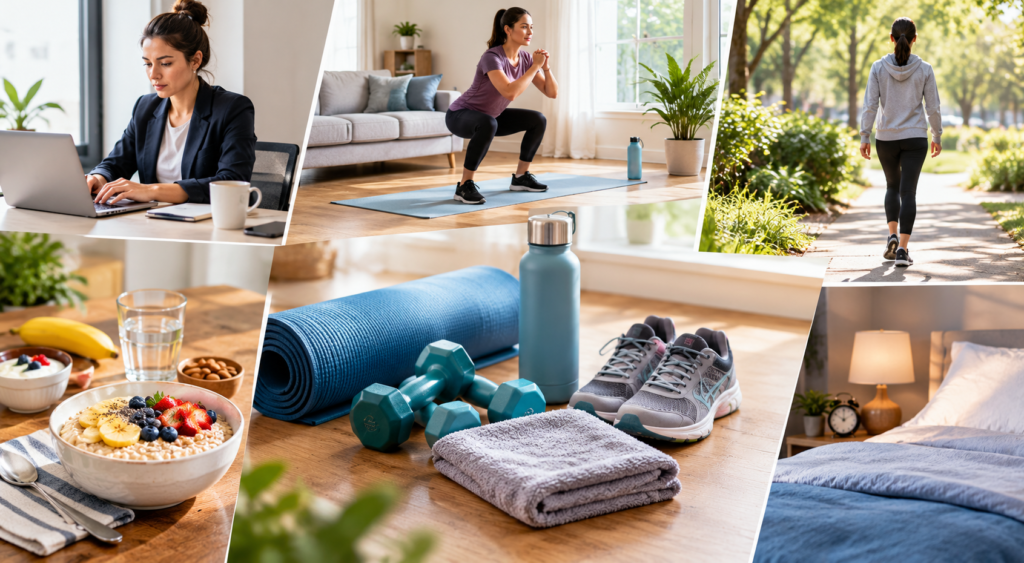
how busy people can get and stay fit thehealthyconsumer.com fit with simple workouts, healthy meals, better sleep, and practical habits that fit into everyday life.Being busy can make fitness feel like something you will get around to eventually. Between work, family responsibilities, studies, errands, and unexpected tasks, finding time for exercise often falls to the bottom of the list. You might plan to visit the gym on Monday, promise yourself you’ll eat healthier tomorrow, and then watch another week pass without making much progress.
The good news is that how busy people can get and stay fit thehealthyconsumer.com is a topic built around a simple idea: you don’t need a perfect schedule to build a healthier lifestyle. You need habits that work with your everyday life. Short workouts, simple meals, regular movement, and better sleep can all make a meaningful difference when practiced consistently.
Whether you work long hours, manage a household, run a business, or juggle several responsibilities at once, you can improve your fitness without turning your entire routine upside down. The trick is to make healthy choices practical enough to repeat, even on your busiest days.
Why Staying Fit Is Difficult for Busy People
One of the biggest challenges is not knowing what to do but finding the time and energy to do it. After a demanding workday, exercise can feel like another responsibility rather than an enjoyable part of life. Preparing healthy food may also seem difficult when takeout or packaged snacks are easier to access.
Stress can make things harder, too. Poor sleep, irregular meals, long periods of sitting, and limited physical activity can gradually become normal when your schedule is packed. Over time, these patterns may affect your energy, mood, strength, and general well-being.
The solution is not to create a strict fitness routine that demands more time than you have. Instead, start by identifying small opportunities to move, eat balanced meals, and rest properly. A realistic routine is much easier to maintain than an ambitious plan that leaves you feeling overwhelmed.
How Busy People Can Get and Stay Fit Without Spending Hours at the Gym
You can build a useful fitness routine without spending an hour or more exercising every day. Short workouts, brisk walks, bodyweight movements, and active breaks can help you work toward your fitness goals. The most important thing is to choose activities that suit your current ability and fit naturally into your schedule.
For example, someone who works from home might exercise for 15 minutes before opening their laptop, take a walk during lunch, and stretch after work. Someone with a longer commute might take the stairs, walk during breaks, or complete a short workout before dinner. These small adjustments make physical activity more accessible without requiring a complete lifestyle change.
Consistency matters more than chasing an unrealistic routine. If you currently do very little exercise, even a short daily walk can be a sensible starting point. As your fitness improves, you can gradually increase your activity and add strength training to your weekly schedule.
10-Minute Workouts That Fit Into a Busy Schedule
A short workout can be a practical way to overcome the common excuse that there is simply no time to exercise. You can use 10 minutes for a brisk walk, bodyweight squats, wall push-ups, step-ups, or gentle mobility exercises. If you’re new to fitness, start with movements that feel comfortable and focus on good technique rather than speed. As your strength and endurance improve, increase the difficulty gradually. A brief session may not meet every fitness goal on its own, but it can help establish a routine and contribute to your overall weekly activity.
A Simple Full-Body Workout at Home
You don’t need expensive equipment to get started. Try a comfortable sequence of chair squats, wall push-ups, standing knee raises, and gentle marching in place, taking breaks whenever needed. Repeat the sequence for several minutes according to your fitness level, and stop if you experience unusual pain, dizziness, or significant discomfort. Once these exercises become easier, you can consider resistance bands, light weights, or more challenging variations. People with existing health concerns or mobility limitations should choose suitable exercises with guidance from a qualified professional.
Make Walking Part of Your Everyday Routine
Walking is one of the easiest ways to become more active because it requires little equipment and can fit into many daily activities. You might walk to a nearby shop, take a short stroll after lunch, or spend 15 minutes walking around your neighborhood before dinner. A brisk pace that makes you breathe faster while still allowing you to talk comfortably generally counts as moderate-intensity activity. If you spend most of your day sitting, regular walking breaks are a useful place to begin building a more active lifestyle.
Build a Weekly Fitness Plan You Can Actually Follow
A good fitness plan should make your life easier, not leave you feeling guilty whenever something changes. Adults are generally advised to aim for at least 150 minutes of moderate-intensity aerobic activity each week, along with muscle-strengthening activities on at least two days. You don’t have to complete all your activity in long sessions, and you can build toward this target gradually. Start by choosing a few realistic exercise times, leaving room for unexpected responsibilities, and adjusting the schedule when necessary. A flexible plan is more useful than a perfect-looking timetable you cannot maintain.
Example of a Busy Person’s Weekly Exercise Routine
Someone with a demanding schedule could begin with a 15-minute walk on Monday, a short strength workout on Tuesday, and another 20-minute walk on Wednesday. Thursday could include stretching and a brisk walk, while Friday could be reserved for another full-body strength session. On Saturday, a longer walk, cycling session, or favorite recreational activity can provide extra movement, while Sunday can be used for gentle activity or recovery. This is a starting example rather than a complete exercise prescription, so adjust the duration and intensity to your current fitness level.
Eat Healthy Without Spending Hours in the Kitchen
Healthy eating becomes easier when you stop treating every meal as a separate cooking project. Instead of preparing elaborate dishes every day, focus on simple combinations of protein, vegetables or fruit, whole grains, and other nutritious foods you enjoy. Eggs and whole-grain toast, yogurt with fruit, rice with beans and vegetables, or chicken with a simple salad can all be practical options. Frozen vegetables, canned beans, and prewashed produce can save preparation time, while keeping basic ingredients available reduces the temptation to rely on convenience food at every meal.
Prepare Meals Before Your Week Gets Busy
Meal preparation does not have to mean filling your refrigerator with identical containers for seven days. You can cook a batch of rice, prepare a protein source, wash vegetables, and portion out a few snacks ahead of time. These ingredients can then be combined in different ways throughout the week, making meals quicker without becoming repetitive. Store cooked food safely, refrigerate perishable ingredients promptly, and freeze portions you won’t use within a suitable period. Even preparing just two or three meals in advance can make a busy week easier to manage.
Stay Hydrated Throughout the Day
When you’re rushing between meetings, classes, errands, or household tasks, drinking enough water can easily slip your mind. Keeping a reusable water bottle nearby is a simple reminder to drink regularly, and drinking water with meals can help establish a consistent habit. Your fluid needs depend on factors such as activity level, climate, and individual health, so there isn’t one exact amount that suits everyone. If you’re exercising in hot weather or sweating more than usual, pay extra attention to hydration and follow any medical advice you have received about fluid intake.
Get Better Sleep to Support Your Fitness Goals
Exercise and nutrition are important, but sleep deserves the same attention. Adults generally need seven to nine hours of sleep each night, although individual needs vary. Regularly cutting sleep short to fit in a workout may leave you tired, less focused, and less willing to stay active the next day. Try keeping a consistent bedtime, reducing late-night distractions, and allowing yourself time to relax before bed. When you are especially tired, choose a gentle walk or a recovery day instead of forcing yourself through an intense session.
Manage Stress Without Abandoning Your Health Habits
A demanding schedule can affect your fitness indirectly by making it harder to sleep well, prepare meals, or find the motivation to move. You don’t have to eliminate stress completely to take better care of yourself. A short outdoor walk, a few minutes of slow breathing, a relaxing hobby, or a conversation with someone you trust can create a little breathing room in a difficult day. If stress becomes persistent or starts interfering with daily life, consider seeking appropriate professional support rather than expecting exercise alone to solve everything.
Use Small Habits to Stay Consistent
One of the most effective ways to maintain fitness is to connect a healthy habit with something you already do. For example, take a short walk after lunch, stretch after finishing work, or prepare tomorrow’s breakfast while cleaning up after dinner. These routines reduce the need to make a fresh decision every day. It also helps to set a small minimum target for particularly busy days, such as walking for five minutes or doing a few gentle stretches. You can always do more when time allows, but a manageable starting point makes it easier to keep going.
Set Realistic Fitness Goals and Track Your Progress
It’s easy to become discouraged when you measure progress only by body weight or appearance. Fitness improvements can also include walking farther without getting tired, lifting something more comfortably, sleeping better, or feeling more energetic during the afternoon. Choose one or two specific goals, such as completing three walks each week or doing two strength sessions, and track them in a calendar or notes app. Review your progress every few weeks and make small adjustments. Avoid extreme diets or excessive exercise in pursuit of quick results; lasting changes generally come from habits you can maintain.
Avoid Common Mistakes That Make Fitness Harder
A frequent mistake is starting with a routine that is too demanding, such as exercising intensely every day after months of inactivity. This can lead to excessive soreness, frustration, and difficulty continuing. Another mistake is skipping meals to save time, then becoming so hungry that balanced eating feels harder later. Some people also believe a missed workout means the entire week is ruined, when one missed session has little significance in the bigger picture. Begin at a manageable level, eat regularly, allow recovery time, and return to your routine after interruptions instead of giving up.
How Busy People Can Stay Fit While Traveling or Working Long Hours
Travel and changing work schedules can interrupt even a well-established routine, but they don’t have to erase your progress. When you’re away from home, walking between destinations, using hotel stairs when appropriate, or completing a short bodyweight workout can help you remain active. During long workdays, plan simple meals and take movement breaks whenever possible. If you are too tired to complete your usual workout, choose rest rather than trying to compensate with excessive exercise later. The goal is to preserve healthy habits where practical, not to follow the same schedule under every circumstance.
Make Fitness a Lifestyle Rather Than a Temporary Challenge
Lasting fitness usually develops when healthy activities become part of ordinary life rather than a short-term project. That might mean choosing an evening walk over another hour of sitting, preparing a simple lunch before work, or making time for strength training twice a week. Your routine will change as your responsibilities change, and that’s normal. Keep the habits that help you feel better, adjust the ones that no longer fit, and give yourself room to improve gradually. A sustainable approach makes it easier to protect your health without feeling that fitness competes with everything else you need to do.
Conclusion
Learning how busy people can get and stay fit is really about finding a healthier balance between responsibilities and personal well-being. You don’t need to spend every evening at the gym, prepare complicated meals, or follow a strict schedule to make progress. Small workouts, regular walks, nutritious food, sufficient sleep, and realistic goals can help you build a routine that fits your life.
Start with one change you can manage today. Perhaps it’s a short walk after lunch, preparing tomorrow’s breakfast, or setting aside time for a simple home workout. Once that habit feels natural, add another. Over time, these small decisions can help you become stronger, more energetic, and better equipped to handle your busy days.
For more practical health and lifestyle guidance, explore resources such as TheHealthyConsumer.com and use reliable health advice to make informed decisions about your personal fitness routine.
Frequently Asked Questions
1. How can busy people get and stay fit with a full-time job?
Busy people can stay fit by scheduling short workouts, walking during breaks, preparing simple meals, and protecting their sleep. Starting with manageable activities and building consistency makes fitness easier to maintain alongside work and family responsibilities.
2. Is 10 minutes of exercise a day enough to stay fit?
Ten minutes of exercise is a helpful starting point, particularly for people who are currently inactive. However, most adults should gradually work toward 150 minutes of moderate aerobic activity per week and include muscle-strengthening exercises on at least two days.
3. What is the easiest way to stay fit without going to the gym?
Walking, home workouts, bodyweight exercises, cycling, and dancing are accessible alternatives to gym sessions. Choose activities that you enjoy and can perform safely, then increase the duration or intensity as your fitness improves.
4. How can busy people eat healthy when they have no time to cook?
Preparing a few ingredients ahead of time, keeping nutritious snacks available, and choosing simple meals can save considerable time. Frozen vegetables, canned beans, eggs, yogurt, and whole grains can make balanced meals easier to prepare.
5. What is the best time to exercise for busy people?
The best time to exercise is the time that fits your schedule and allows you to remain consistent. Morning workouts work well for some people, while others prefer lunchtime walks or exercise after work. Choose a routine that doesn’t regularly interfere with sleep or recovery.
6. How can I stay motivated to exercise every day?
Instead of relying entirely on motivation, connect exercise with existing daily habits and set achievable goals. Track your progress, choose enjoyable activities, and remember that rest days and occasional missed sessions are normal parts of a sustainable routine.
7. Can I lose weight and improve my fitness with a busy lifestyle?
Yes. Regular physical activity, balanced nutrition, adequate sleep, and sustainable eating habits can support weight management and improve overall fitness. Results vary between individuals, so focus on gradual progress rather than extreme diets or unrealistic deadlines.
Read also: Cholerhiasis Causes, Symptoms, Diagnosis, and Treatment