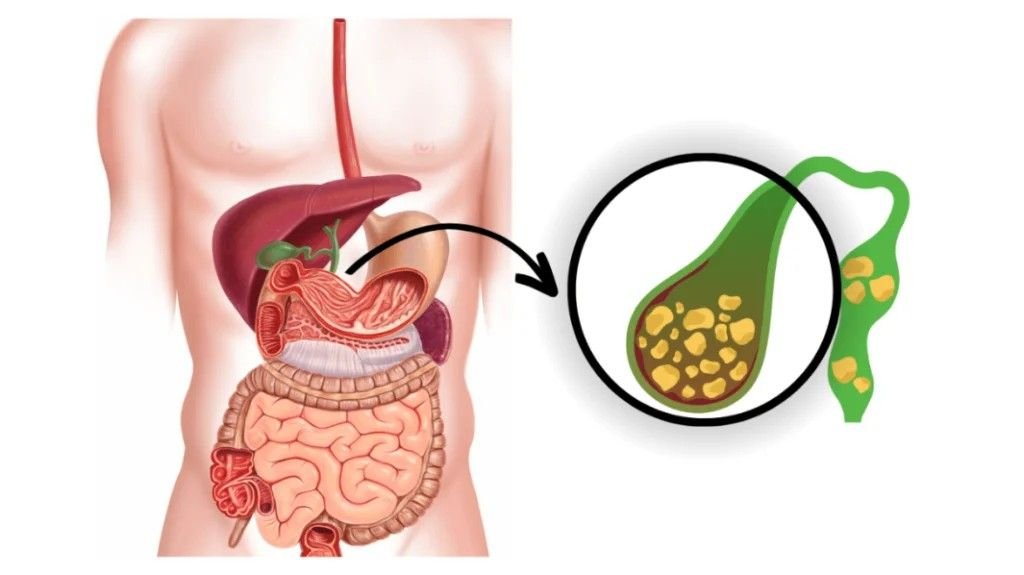
Cholerhiasis, more accurately known as cholelithiasis, refers to the formation of hard deposits inside the gallbladder. These deposits are called gallstones, and they can range from tiny, sand-like particles to stones several centimeters wide. Some people live with gallstones for years without noticing anything unusual, while others experience sudden abdominal pain, nausea, and digestive discomfort that can interfere with daily life. Understanding the causes, warning signs, diagnosis, and treatment options can help you recognize when medical attention may be necessary. Although gallstones are common, their effects vary from person to person, so the right approach depends on whether they cause symptoms or lead to complications.
What Is Cholerhiasis?
Cholerhiasis is generally used when someone means cholelithiasis, a condition in which solid deposits develop inside the gallbladder. The gallbladder is a small, pear-shaped organ located beneath the liver on the upper-right side of the abdomen. Its main job is to store bile, a digestive fluid produced by the liver that helps the body break down fats. Gallstones form when substances in bile become unbalanced or when the gallbladder does not empty as it should. A stone may remain inside the gallbladder without causing problems, but it can cause pain or inflammation if it blocks the flow of bile. The condition is not the same as a gallbladder infection, although gallstones can sometimes lead to inflammation or other complications.
How Does the Gallbladder Work?
The gallbladder plays an important role in digestion, particularly after meals containing fat. The liver continuously produces bile, which travels through small ducts and is stored in the gallbladder until it is needed. When you eat, the gallbladder contracts and releases bile into the small intestine, where it helps break dietary fat into smaller droplets that digestive enzymes can process. When bile contains too much cholesterol or bilirubin, or when it does not flow or empty properly, solid particles may develop and gradually form stones. This process can happen slowly, and a person may not realize anything is wrong until a stone blocks a duct and triggers pain.
Types of Gallstones Associated With Cholelithiasis
Gallstones are generally divided into two main types: cholesterol stones and pigment stones. Cholesterol stones are the most common type in many populations and develop when bile contains more cholesterol than it can keep dissolved. They are often yellowish or greenish in appearance. Pigment stones are usually darker and form when bile contains increased amounts of bilirubin, a substance produced when the body breaks down red blood cells. They may be associated with certain liver conditions, blood disorders, or infections of the bile ducts. Knowing the type of stone can sometimes help doctors understand the underlying factors, although treatment decisions depend more on symptoms, stone location, and possible complications.
Common Symptoms of Cholelithiasis
Many people with gallstones have no noticeable symptoms, which is why the condition is sometimes discovered accidentally during an ultrasound for an unrelated problem. When symptoms occur, the most recognizable sign is biliary colic, a type of pain that develops when a gallstone temporarily blocks the gallbladder’s outlet. The pain usually affects the upper-right or upper-middle abdomen and may last from around 30 minutes to several hours. Some people also experience nausea, vomiting, or discomfort after a heavy meal. Symptoms can vary in intensity, and their presence does not automatically mean that a person needs emergency surgery. However, persistent pain or symptoms accompanied by fever or jaundice require prompt medical assessment.
Abdominal Pain After Eating
Abdominal pain is one of the most common symptoms of symptomatic gallstones. It may begin after a meal, particularly one containing a large amount of fat, although it can also occur at other times. The discomfort often builds into a steady ache or intense pain beneath the right ribs or in the upper middle abdomen. It may spread to the back or right shoulder and can be severe enough to interrupt normal activities. Unlike ordinary indigestion, gallstone pain may not improve after passing gas or having a bowel movement. Repeated episodes should be evaluated by a healthcare professional rather than managed indefinitely with home remedies.
Nausea and Vomiting
Nausea can occur during an episode of gallstone pain, especially when the discomfort is intense. Some people vomit or find it difficult to eat until the episode settles. These symptoms are not specific to gallstones, however, and can also occur with stomach infections, food-related illnesses, acid reflux, and other abdominal conditions. If nausea and vomiting happen repeatedly alongside pain in the upper-right abdomen, a medical assessment can help determine the cause. Repeated vomiting that prevents you from keeping fluids down needs prompt medical attention because dehydration can develop.
Bloating and Indigestion
Some people with gallstones report bloating, belching, fullness, or discomfort after eating. These symptoms are common in many digestive conditions, so they cannot confirm the presence of gallstones on their own. A person might blame recurring indigestion on food choices when another condition is responsible, or assume that every episode of bloating is caused by an ultrasound finding of gallstones. Keeping track of when symptoms begin, how long they last, and which foods seem to trigger them can help a doctor assess the pattern. Persistent digestive symptoms deserve proper evaluation, especially if they occur alongside abdominal pain.
What Causes Cholerhiasis?
Gallstones develop when the normal balance of substances in bile changes or when the gallbladder does not empty effectively. In cholesterol stones, the bile may contain more cholesterol than it can keep dissolved. In other cases, excess bilirubin contributes to pigment stone formation. Gallbladder movement also matters: if bile remains inside for too long, solid particles may form and grow. These changes usually develop over time rather than from a single meal. Eating a fatty meal may trigger pain in someone who already has gallstones, but it does not mean that the meal instantly created the stones.
Risk Factors for Gallstones
Several factors can increase the likelihood of developing gallstones, although not everyone with these risk factors will develop the condition. Age, family history, excess body weight, certain medical conditions, and changes in hormone levels can influence gallstone formation. Women are more likely to develop cholesterol gallstones in some age groups, partly because estrogen affects cholesterol levels in bile. Rapid weight loss and prolonged periods without adequate food intake can also increase risk. Understanding these factors is useful, but gallstones can occur in people who are otherwise healthy and have no obvious risk factors.
Diet and Weight Changes
Diet can influence gallstone risk, particularly when eating patterns contribute to excess weight or rapid weight changes. Diets high in calories and refined carbohydrates and low in fiber may contribute to metabolic risk factors associated with cholesterol gallstones. Losing weight very quickly, following extreme restrictive diets, or repeatedly losing and regaining weight can also increase the risk. A balanced eating pattern that includes vegetables, fruit, whole grains, and appropriate amounts of healthy fats may support general digestive and metabolic health. There is no single food that guarantees prevention, and dietary changes cannot reliably dissolve established gallstones.
Medical Conditions and Family History
Some health conditions are associated with a higher risk of gallstones. These include diabetes, certain liver disorders, conditions that cause increased breakdown of red blood cells, and some diseases affecting the digestive system. A family history of gallstones may also raise the likelihood of developing them, suggesting that inherited factors can play a role. Pregnancy and estrogen-containing medications may influence risk in some people. If you have a relevant medical condition or a history of gallstone complications, your healthcare professional can help you understand your individual risk and whether further evaluation is appropriate.
How Is Cholelithiasis Diagnosed?
Doctors usually diagnose gallstones by considering a person’s symptoms, medical history, physical examination, and imaging results. An abdominal ultrasound is generally the first-choice imaging test because it can detect many gallstones in the gallbladder without using radiation. Blood tests may be ordered to look for signs of inflammation, infection, or problems involving the liver and bile ducts. If a doctor suspects that a stone has moved into a bile duct, additional imaging or a specialized procedure may be needed. The diagnostic approach depends on the symptoms and the possibility of complications, rather than on the presence of abdominal discomfort alone.
Abdominal Ultrasound
An abdominal ultrasound uses sound waves to create images of organs inside the abdomen. It is commonly used to identify gallstones, examine the gallbladder wall, and look for signs that may suggest inflammation. The test is painless for most people and does not involve ionizing radiation. Depending on the facility’s instructions, you may be asked not to eat for several hours before the examination to improve image quality. An ultrasound can identify many gallstones, but it may not show every stone in the common bile duct, so a normal result does not always end the investigation when symptoms strongly suggest a problem.
Blood Tests and Additional Imaging
Blood tests can help doctors assess whether gallstones may have caused inflammation, infection, or a blockage affecting bile flow. Depending on the situation, testing may include liver enzymes, bilirubin, a complete blood count, and other relevant markers. If a bile duct stone is suspected, doctors may recommend magnetic resonance cholangiopancreatography (MRCP), which uses magnetic resonance imaging to examine the bile ducts. Endoscopic ultrasound may also help detect small stones. These tests are not necessary for every patient; the choice depends on the initial findings, symptom severity, and clinical assessment.
Treatment Options for Cholelithiasis
Treatment depends mainly on whether gallstones cause symptoms, where the stones are located, and whether complications have developed. People who have gallstones but no symptoms often do not need immediate treatment and can be monitored according to medical advice. If stones cause repeated painful attacks, doctors commonly recommend removing the gallbladder through surgery. When a stone blocks the common bile duct, an endoscopic procedure may be needed to clear the blockage. There is no universal treatment that is suitable for everyone, and the safest option should be decided after a proper evaluation.
Monitoring Gallstones Without Surgery
If gallstones are discovered incidentally and are not causing symptoms, a doctor may recommend observation rather than immediate surgery. This is because many people with asymptomatic gallstones never develop related problems. Monitoring does not mean ignoring new symptoms; it means avoiding unnecessary treatment while remaining alert to changes that need assessment. A healthcare professional can explain which warning signs to watch for and whether any specific circumstances make preventive treatment appropriate. People with certain uncommon gallbladder abnormalities or other high-risk conditions may need individualized advice.
Gallbladder Removal Surgery
Surgical removal of the gallbladder, called cholecystectomy, is a common treatment for gallstones that cause recurring symptoms or complications. The operation is often performed laparoscopically, using small incisions and a camera, although open surgery may be necessary in certain circumstances. After the gallbladder is removed, bile flows directly from the liver into the small intestine. Most people can digest food normally afterward, although some experience temporary loose stools or changes in bowel habits. Recovery time varies according to the surgical approach, general health, and whether complications occurred.
ERCP for Bile Duct Stones
Endoscopic retrograde cholangiopancreatography, or ERCP, is a procedure used to diagnose and treat certain problems involving the bile ducts. A doctor guides a flexible endoscope through the mouth into the digestive tract and uses specialized instruments to access the opening of the bile duct. If a stone is blocking the duct, it may be removed during the procedure. ERCP is different from gallbladder removal: it treats stones in the bile ducts but does not necessarily prevent additional stones from developing in a gallbladder that remains in place. The medical team decides whether ERCP, surgery, or both are needed.
Possible Complications of Cholelithiasis
Although gallstones often remain harmless, they can sometimes block the flow of bile and lead to serious complications. A blockage may cause inflammation of the gallbladder, known as acute cholecystitis, or obstruct the common bile duct and lead to jaundice or infection. Gallstones can also trigger acute pancreatitis if they block the area where the pancreatic duct drains into the intestine. These complications may require urgent treatment, which is why persistent or worsening symptoms should never be ignored. The risk depends on the location of the stones and the individual’s circumstances, so not every person with gallstones will experience these problems.
Gallbladder Inflammation
Acute cholecystitis occurs when a blockage, usually caused by a gallstone, leads to inflammation of the gallbladder. The pain is often persistent and may become worse when taking a deep breath or moving. Fever, nausea, vomiting, and tenderness beneath the right ribs may also occur. Unlike a brief episode of biliary colic, gallbladder inflammation generally requires prompt medical assessment and may need hospital treatment, antibiotics when indicated, and surgery. Waiting for severe symptoms to disappear on their own can delay necessary care.
Bile Duct Blockage and Jaundice
A gallstone may move from the gallbladder into the common bile duct and obstruct the passage of bile into the intestine. When this happens, bilirubin can build up in the bloodstream, causing the skin or whites of the eyes to turn yellow. Other warning signs may include dark urine, pale stools, itching, or abdominal pain. A blocked bile duct can become infected, which is a medical emergency. Fever, chills, jaundice, and upper abdominal pain together require urgent medical evaluation because prompt treatment may be needed to relieve the blockage and control infection.
Gallstone-Related Pancreatitis
The pancreas produces digestive enzymes that help break down food. If a gallstone blocks the shared drainage area near the intestine, it can trigger inflammation of the pancreas, known as acute pancreatitis. This condition often causes severe upper abdominal pain that may spread to the back, sometimes accompanied by persistent vomiting. Gallstone-related pancreatitis can range from mild to life-threatening and usually requires hospital assessment. Treatment focuses on supportive care and addressing the underlying stone problem when appropriate.
Can Cholelithiasis Be Prevented?
Gallstones cannot always be prevented because genetics, age, hormones, and certain medical conditions also influence their development. However, maintaining a healthy weight, eating a balanced diet, and avoiding rapid weight loss may help reduce some risk factors. Regular meals, adequate dietary fiber, and a varied intake of vegetables, fruit, whole grains, and healthy fats can support overall health. If weight loss is recommended, a gradual approach is generally safer than crash dieting. These habits may lower risk, but they do not guarantee that gallstones will never form.
Foods to Eat and Limit
There is no special diet that cures gallstones, but eating patterns can influence digestive comfort and overall health. Meals built around vegetables, fruit, whole grains, beans, and lean protein can provide a useful foundation. Some people find that reducing very fatty or fried foods helps prevent discomfort while awaiting medical assessment or treatment. However, individual triggers differ, and unnecessarily eliminating all fat from the diet is not advisable without professional guidance. If eating causes repeated or severe pain, arranging a medical evaluation is more important than trying increasingly restrictive diets.
Living With Gallstones: Practical Advice
Being diagnosed with gallstones can feel worrying, especially if you have heard stories about emergency surgery or severe abdominal pain. The good news is that many people have no symptoms and never require treatment. If you have been diagnosed, ask your doctor whether the stones are inside the gallbladder or in a bile duct, whether there are signs of inflammation, and what symptoms should prompt urgent care. Keep track of recurring pain, its duration, and any associated symptoms. Avoid relying on internet remedies or unverified supplements as a substitute for medical care, particularly if a blockage or infection is possible.
Conclusion
Seek urgent medical care if you experience severe or persistent abdominal pain, especially if it lasts several hours or is accompanied by fever, chills, repeated vomiting, yellow skin or eyes, dark urine, or unusually pale stools. These symptoms can indicate gallbladder inflammation, a blocked bile duct, or another serious abdominal condition. Do not wait for every symptom to appear before seeking help. If your pain is sudden and severe, obtain emergency assessment. For milder but recurring discomfort after meals, arrange a medical appointment to determine whether gallstones or another digestive problem may be responsible.
Frequently Asked Questions About Cholerhiasis
1. What does cholerhiasis mean?
Cholerhiasis is commonly intended to mean cholelithiasis, the medical term for gallstones. It describes solid deposits that form inside the gallbladder and may contain cholesterol or bilirubin. Some stones cause no symptoms, while others can block bile flow and cause abdominal pain or complications.
2. What are the first symptoms of cholelithiasis?
The first noticeable symptom may be pain in the upper-right or upper-middle abdomen, sometimes after a meal. Nausea and discomfort spreading to the back or right shoulder may also occur. However, many people have gallstones without experiencing any symptoms.
3. Is cholelithiasis a serious condition?
Cholelithiasis is not always serious. Gallstones that cause no symptoms often require no immediate treatment. However, a stone that blocks a bile duct can lead to gallbladder inflammation, infection, jaundice, or pancreatitis, all of which may require urgent medical care.
4. Can gallstones go away without surgery?
Gallstones do not usually disappear on their own. Some selected cholesterol stones may be treated with medication such as ursodeoxycholic acid, but this approach works slowly, is suitable only in certain cases, and stones may return. Surgery is commonly recommended when gallstones cause recurring symptoms or complications.
5. What foods should people with gallstones avoid?
People with symptomatic gallstones may find that fried foods, very fatty meals, or rich sauces trigger discomfort. There is no universal list of foods that everyone must avoid. A balanced diet with appropriate portions may help, but recurring abdominal pain needs medical assessment rather than dietary management alone.
Read also:
Pingback: how busy people can get and stay fit thehealthyconsumer.com