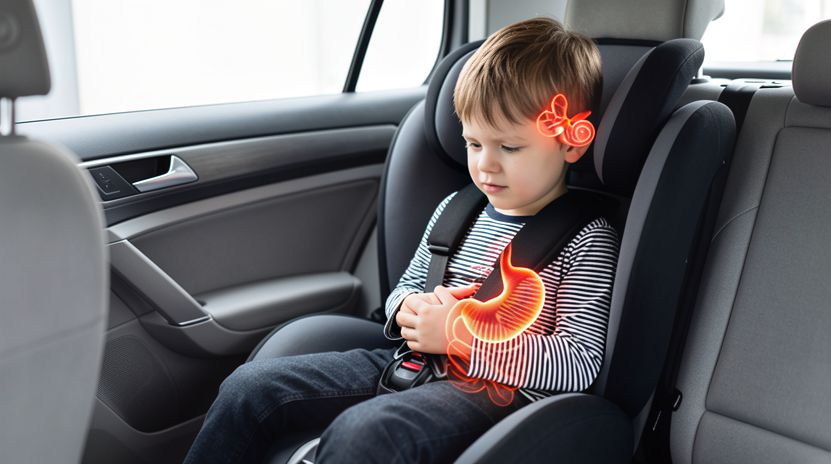
Learn how to stop motion sickness with simple travel tips, foods, seating advice, natural remedies, and medication options to reduce nausea and dizziness. Motion sickness is a condition that happens when the movement detected by your inner ear does not match what your eyes and body are experiencing. For example, when you read a book in a moving car, your eyes may focus on a stationary page while your inner ear senses the vehicle turning and moving. Your brain receives conflicting signals, which can lead to nausea, dizziness, sweating, tiredness, and vomiting. It can happen in cars, buses, airplanes, boats, trains, amusement-park rides, and even some virtual-reality experiences.
What Causes Motion Sickness?
The main cause is a conflict between sensory signals involved in balance and movement. Your inner ear contains structures that help your brain detect acceleration and changes in position, while your eyes provide information about what is happening around you. When these signals do not agree, the brain can respond with symptoms of motion sickness. Activities such as reading, looking down at a phone, sitting backward, or watching objects inside a moving vehicle can make the mismatch worse.
How to Stop Motion Sickness Quickly
If motion sickness has already started, the first thing to do is reduce the movement and sensory conflict as much as possible. Look toward the horizon or a distant stationary object, keep your head still, stop reading or using your phone, and get some cool fresh air if you can. In a car, sitting in the front passenger seat may help some adults, while on a boat it can be useful to move toward the middle of the vessel where movement may feel less intense. Taking slow breaths and sipping small amounts of water may also make you more comfortable.
Look at the Horizon
One of the simplest ways to reduce motion sickness is to look at a stable point in the distance. When traveling by car, you can look through the windshield toward the road ahead rather than staring at objects inside the vehicle. On a boat, looking toward the horizon can give your eyes a visual reference that agrees more closely with the movement detected by your inner ear. This can help reduce the confusing sensory signals that contribute to nausea.
Keep Your Head as Still as Possible
Frequent head movements can make motion sickness worse, particularly when the vehicle is moving over uneven roads or water. Try resting your head against the seat or a headrest and avoid turning from side to side unnecessarily. Keeping your head facing forward can make the journey more comfortable, especially if you already notice dizziness or nausea starting.
Stop Reading and Using Your Phone
Reading, scrolling through social media, playing games, or watching videos can make motion sickness much worse for many people. Your eyes are concentrating on a nearby stationary screen while your inner ear senses the movement of the vehicle. If you start feeling sick, put the phone away and look outside instead. Even if you normally tolerate screens during travel, taking regular breaks can help prevent symptoms.
Choose the Right Seat
Where you sit can make a surprisingly big difference. In a car, the front passenger seat generally provides a clearer view of the road and may feel less uncomfortable than the back seat. Children should follow appropriate local safety rules and should not sit in the front seat when they are too young or small for it. On a bus, sitting toward the front may help, while on an airplane, a seat around the wings often experiences less noticeable movement than seats toward the rear. On a boat, the middle area and lower levels may feel more stable than the bow.
Get Fresh Air
Fresh, cool air can be comforting when you feel nauseated. In a car, opening a window slightly or using the air vents can help if it is safe to do so. On a boat, moving to an area with better airflow may make the experience easier. Strong smells, including food, perfume, gasoline, or cigarette smoke, can sometimes make nausea worse, so avoiding unpleasant odors may also help.
Eat Lightly Before Traveling
Traveling on a completely empty stomach is not necessary, but eating a large, greasy, or spicy meal immediately before a journey may make nausea more uncomfortable. A light meal or small snack is often a better option. Simple foods such as crackers, toast, rice, bananas, or another food you normally tolerate may be easier to handle than a heavy meal. During a long trip, small amounts of food may be more comfortable than eating a large meal at once.
Drink Fluids Carefully
Staying hydrated is important, particularly during long journeys, but drinking a large amount of liquid quickly may make nausea feel worse. Take small sips of water instead of forcing yourself to drink a lot at once. If you are vomiting repeatedly, dehydration can become a concern, and you may need medical advice, especially if you cannot keep fluids down.
Try Ginger for Nausea
Ginger is commonly used as a natural approach to nausea, and some people find ginger tea, ginger candies, or other ginger products helpful during travel. However, evidence for ginger specifically preventing motion sickness is mixed, so it should not be considered a guaranteed treatment. If you enjoy ginger and it normally agrees with you, using it as part of your travel routine may be reasonable.
Avoid Alcohol Before Traveling
Alcohol can worsen dizziness and may make you feel more uncomfortable during travel. It can also interfere with your ability to respond to motion and may contribute to dehydration. Avoiding alcohol before and during a journey is a sensible choice if you are prone to motion sickness, particularly when you are considering taking a medication that can also cause drowsiness.
Can Motion Sickness Medicine Help?
Yes, certain medicines can help prevent or reduce motion sickness, particularly when taken before exposure to the movement. Common options include antihistamine medicines such as dimenhydrinate and meclizine in places where they are available. These medicines can cause side effects, especially drowsiness, dry mouth, blurred vision, or reduced alertness. Always follow the product label and ask a pharmacist or doctor whether a particular medicine is appropriate for you, especially if you take other medications or have an existing medical condition.
When Should You Take Motion Sickness Medicine?
Motion sickness medicines generally work better when taken before symptoms become severe rather than waiting until you are already vomiting. The exact timing depends on the medicine, so follow the instructions on the package or advice from a healthcare professional. If you know that you regularly become sick during boat trips, flights, or long car journeys, planning ahead is usually more effective than trying to treat severe symptoms after they begin.
Can Children Get Motion Sickness?
Yes, children can experience motion sickness, although it is particularly common in certain age groups. They may complain about nausea, dizziness, stomach discomfort, headache, or simply say that they feel sick. Encouraging children to look outside rather than read or use a screen can help. Seating them safely where they can see forward may also be useful. Medication for children should only be used according to the product’s age recommendations or advice from a healthcare professional.
How to Prevent Motion Sickness in a Car
Before a car journey, choose a seat that provides a good forward view, avoid heavy meals, and limit activities that require looking down. During the trip, keep your head supported, look toward the road or horizon, and use fresh air when possible. Taking breaks during a long journey can also help. If you know a particular type of road or driving pattern triggers symptoms, planning a route with fewer sharp turns may make the journey easier.
How to Prevent Motion Sickness on a Boat
Boat travel can be especially challenging because waves create continuous movement. If possible, choose a position near the center of the boat rather than the front or far edges, where movement may feel stronger. Look toward the horizon, spend time outside in fresh air when safe, and avoid reading or staring at nearby objects. If you are prone to seasickness, consider discussing preventive medication with a pharmacist or doctor before your trip.
How to Prevent Motion Sickness on a Plane
Most people tolerate normal airplane movement well, but turbulence can trigger symptoms in some travelers. Sitting near the wings may reduce the sensation of movement compared with seats farther toward the rear. Keep your eyes on a distant point when possible, avoid reading during turbulence, and keep your head supported. Eating lightly and staying hydrated can also make the journey more comfortable.
Does Sleeping Help Motion Sickness?
Sleeping can reduce your awareness of movement and may make a journey easier for some people. If you are traveling by car, bus, boat, or plane, closing your eyes and resting your head can reduce the amount of conflicting visual information reaching your brain. However, you should never use a sedating medication simply to make yourself sleep without understanding its risks, and you should not drive after taking a medicine that causes drowsiness.
Does Fresh Air Stop Motion Sickness?
Fresh air does not necessarily stop the underlying cause of motion sickness, but it can reduce discomfort for some people. Cool air against your face may make nausea feel less intense, particularly when a vehicle feels warm or stuffy. Strong smells can also aggravate nausea, so improving ventilation may provide additional relief.
Does Focusing on Your Phone Make Motion Sickness Worse?
For many people, yes. Looking at a phone while traveling forces your eyes to focus on a nearby object while your inner ear detects movement. This sensory mismatch can contribute to nausea and dizziness. If you notice that scrolling, gaming, or watching videos makes you feel sick, put the phone away and look outside instead.
What Foods Are Best Before a Trip?
There is no single food that prevents motion sickness, but a light and familiar meal is often more comfortable than a large, rich one. Crackers, toast, oatmeal, rice, bananas, or other mild foods may be easier to tolerate. Avoid eating more than you comfortably need, especially immediately before traveling. If certain foods already trigger heartburn or nausea for you, it makes sense to avoid them before a journey.
What Should You Avoid When You Have Motion Sickness?
When you are prone to motion sickness, avoid activities that increase the sensory mismatch, such as reading, looking down at a phone, or focusing on nearby objects while the vehicle is moving. Heavy meals, excessive alcohol, strong smells, and unnecessary head movements can also make symptoms worse for some people. The goal is simple: give your eyes, inner ear, and brain as consistent a picture of movement as possible.
When to See a Doctor About Motion Sickness
Occasional motion sickness during travel is usually not a serious medical problem. However, it is worth speaking with a healthcare professional if you experience severe or repeated vomiting, symptoms when you are not moving, frequent unexplained dizziness, fainting, severe headaches, hearing changes, difficulty walking, or other unusual symptoms. Persistent nausea can have causes unrelated to motion sickness, so symptoms that occur outside travel should not automatically be blamed on motion.
Conclusion
The best way to stop motion sickness is usually to prevent it from becoming intense in the first place. Look toward the horizon, keep your head still, avoid reading and screens, choose a seat with less movement, get fresh air, and eat lightly before traveling. If you regularly experience severe symptoms, talk with a pharmacist or doctor about preventive medication. A little preparation before a journey can make the difference between spending the trip feeling miserable and actually enjoying where you are going.
FAQs
1. How can I stop motion sickness quickly?
Look at the horizon, keep your head still, stop using your phone or reading, get fresh air, and take small sips of water. If appropriate for you, motion-sickness medicine may also help.
2. What is the best position to avoid motion sickness?
In a car, looking forward from the front passenger seat may help adults. On a boat, the middle of the vessel is often preferable, while on an airplane, sitting around the wings may reduce the sensation of movement.
3. Does drinking water help motion sickness?
Small amounts of water can help you stay hydrated, but drinking a large amount quickly may worsen nausea. Take small, regular sips instead.
4. Does ginger help with motion sickness?
Some people find ginger helpful for nausea, but research on its effectiveness specifically for motion sickness is mixed. It can be used as a complementary option if you tolerate ginger well.
5. Should I eat before traveling if I get motion sickness?
A light meal is generally more comfortable than traveling after a very large or greasy meal. Simple foods such as toast, crackers, rice, or bananas may be easier to tolerate.
Pingback: What Are the Key Signs of Stress Affecting Mental Health?